
by SHAYLYNN MARKS
Summer heat and sun exposure can trigger several common skin problems, but not every red, itchy, or painful rash means the same thing.
Dr. William Roth, a Watson Clinic dermatologist who has been practicing for 32 years, says heat rash, sun rash, sunburn, and sun poisoning are often confused, with different causes and levels of concern.

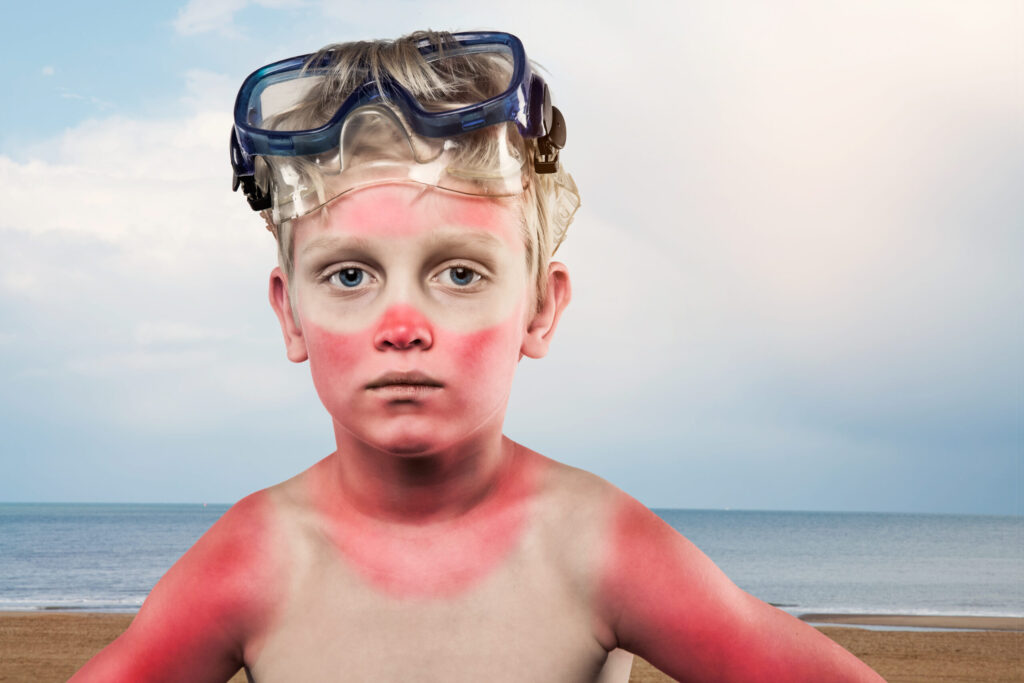
Sunburn Is a Burn
“A sunburn is a first-degree burn of your skin,” he says.
It develops after ultraviolet exposure damages the skin, causing pain, redness and inflammation. Roth says fairer skin burns faster than darker skin, though everyone can experience ultraviolet damage.
“There’s no such thing as a safe tan,” Roth says. “All tanning, regardless of what your baseline skin color is, is a reaction to ultraviolet damage of the skin.”
Once a sunburn develops, treatment should focus on comfort while the body heals.
“You’re treating symptomatically,” Roth says. “There’s not really anything you could do to speed up the resolution of the burn.”
Roth recommends cool compresses and over-the-counter pain relievers such as ibuprofen or acetaminophen. Aloe vera can also help soothe the skin, especially when used cold.
“A pure [aloe vera] gel, and especially if you keep it in the refrigerator so it’s even more cooling when you use it, is very good,” he says.
When Sunburn Becomes Sun Poisoning
“Sun poisoning is really just the severe, widespread sunburn,” Roth explains.
When blistering occurs, the burn becomes a second-degree burn. The major difference is the body’s overall reaction. Roth says severe cases can cause symptoms beyond the skin.
“You can get fever, chills, nausea, vomiting, fatigue, dehydration, and significant pain,” he says.
Burned skin also can affect the body’s fluid balance. When skin blisters or becomes inflamed, the body can lose more fluid through the skin. If blisters open, the risk of infection increases.
“The important thing about a blister you get of any kind is you shouldn’t pop it,” he says.
Medical attention may be needed if blistering is widespread, symptoms are severe, or the person develops signs of dehydration, confusion, high fever, or worsening illness.
Heat Rashes Versus Sun Rashes
Heat rashes, he explains, are caused by something completely different. Whereas burns are caused by radiation, heat rashes are from just that — heat and sweat.
“It’s from overheating and over-sweating in a hot environment,” Roth explains. “When you’re hot and you’re sweating, and you have some sort of clothing on, typically the sweat glands get clogged.”
The result can be itchy red bumps on the chest, back, armpits or other areas where skin touches skin or clothing rubs.
At-home care usually starts with cooling the skin. Moving into air conditioning or shade, changing out of sweaty clothing and keeping the area dry can help. Because heat rash is not a burn, the goal is to reduce sweating and friction so the blocked sweat glands can settle down.
Roth says “sun rash” is not a term dermatologists typically use for one single condition. Instead, sun exposure can trigger several different reactions.
“It’s not a sunburn,” Roth says. “It’s a reaction between the ultraviolet light and something else.”
Some people develop hives from sunlight, known as solar urticaria. Others may have medical conditions, including forms of lupus, that flare after sun exposure.
Another condition, polymorphous light eruption, is sometimes called a sun allergy. Roth says it can appear when people get their first significant ultraviolet exposure of the season.
“It’s sort of an itchy, annoying rash,” Roth says.
Certain medications can also make the skin more sensitive to ultraviolet light. Roth says some reactions come from plants or fruit juices that touch the skin before sun exposure. Those reactions are different from a typical sunburn and show how sunlight can interact with the body, medications, or substances on the skin.
When to Get Help
While sunburns, heat rashes, and sun rashes can be treated at home, it’s important to know when to seek medical help.
“If you’re getting systemic symptoms — you’re getting fever, chills, nausea, vomiting, you’re feeling sick, you’re dehydrated, you’re having a lot of pain — then you need to seek medical attention,” Roth says.
A typical sunburn that is red, painful and warm can usually be treated with cool compresses, pain relievers, and soothing products. But Roth says widespread blistering or signs of illness should not be ignored.
People should also seek care when a rash is unusual, keeps returning after sun exposure, appears after starting a new medication or is accompanied by significant swelling, pain, or signs of infection.
Healthy Skin Starts Before the Burn
Healthy skin begins with consistent protection from the sun.
“I recommend at least an SPF 30,” he says. “I usually recommend SPF 50 because most people don’t put enough sunscreen on to get the SPF that’s on the bottle.”
But sunscreen is only one part of protecting the skin.
“It’s not just sunscreen,” Roth says. “It’s wearing sunglasses, it’s wearing protective clothing, it’s seeking shade.”
He says keeping the skin barrier healthy is also important, especially for people who already have skin conditions.
“You want to keep your skin as healthy as possible by using the right kinds of skin products and mild soaps, and moisturizing if your skin tends to be dry,” he says.
Summer skin problems are common, but they are not all the same. Understanding what is causing a reaction can help people decide how to treat it and when to seek medical care.