
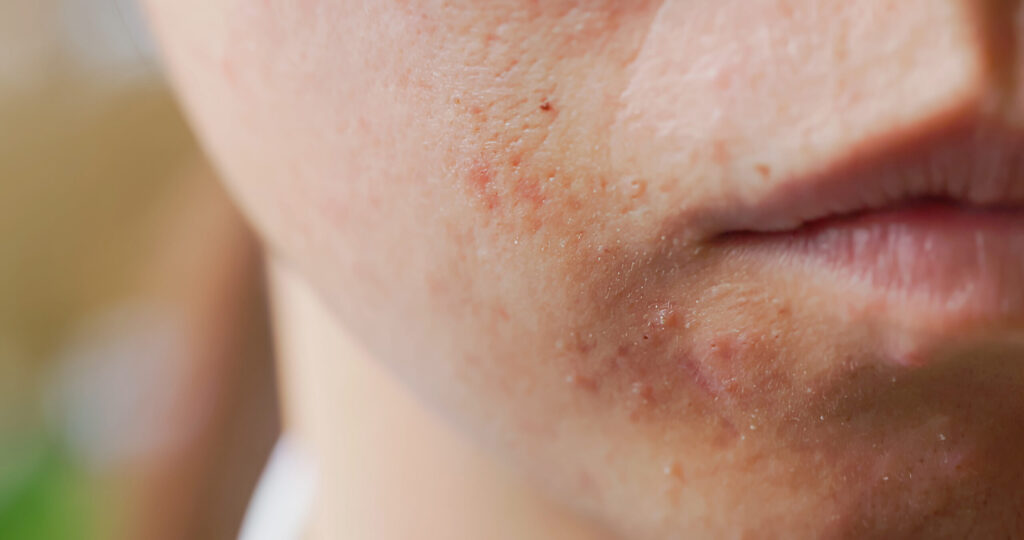
Hormones are chemical messengers that move through the bloodstream to direct bodily functions like metabolism, growth, and reproduction. They play a huge role in every stage of life for both men and women. Oftentimes, hormones also have a substantial impact on skin, the body’s largest organ. Take our quiz to test your knowledge on the effects hormone changes have and what you can do to stay comfortable in your own skin.
- True or false? Hormones affect your skin’s oil production, collagen levels, pigmentation, hair growth, and hydration.
- During puberty, the adrenal glands produce hormones that stimulate the skin’s oil glands. Which of the following are changes in the skin that are a result of these hormones?
A. Acne
B. Increased sweating
C. Stretch marks from rapid growth
D. All of the above
- True or false? A consistent, gentle skincare routine and acne treatment, if needed, are the best ways to manage puberty-related hormonal acne.
- Estrogen and progesterone control a woman’s menstrual cycle. Which of the following side effects can they cause in the skin?
A. Skin oiliness
B. Acne breakouts
C. Inflammation
D. All of the above
- True or false? It can be helpful to track skin changes during the menstrual cycle and use targeted treatments before problems arise.
- Which of the following is a common skin change experienced during pregnancy?
A. Stretch marks on the abdomen or legs
B. Permanent skin discoloration
C. Decreased skin sensitivity
D. Increased scalp hair thickness
- During menopause, women lose estrogen and their skin loses about 30% of its collagen during the first five years and 2% every year after that. Which of the following changes in the skin are caused by the lack of collagen?
A. Skin loses its firmness and begins to sag and/or form jowls.
B. Wrinkles around the eyes and mouth become visible all the time.
C. Pores get larger.
D. Pouches and/or discoloration appear under the eyes.
E. All of the above
- Which of the following are ways to combat the effects of the loss of collagen that occurs during menopause?
A. Protect your skin from the sun using sunblock and wearing hats.
B. Use a skin care product that contains retinol or peptides.
C. Drink enough water every day.
D. All of the above
- Which of the following is a recommended practice to reduce the effects of dry skin in menopause?
A. Drinking plenty of water and avoiding dehydrating beverages like coffee and alcohol.
B. Washing with a harsh, foaming cleanser.
C. Taking long, hot showers daily.
D. Using skincare products with strong fragrances.
- True or false? During menopause, skin becomes thinner. This means exfoliation or microdermabrasion at home without a dermatologist’s advice may cause more harm than good.
- The changes in hormones that occur during menopause can lead to pimples and other types of acne. Which of the following is NOT a good way to deal with acne during menopause?
A. Wash acne-prone skin with a cleanser that contains salicylic acid to help unclog pores.
B. Use the same treatments formulated for teenage acne.
C. Avoid acne products that dry your skin.
D. See a board-certified dermatologist for uncontrollable acne.
- Which of the following are things women can do to protect their skin during menopause?
A. Consult a board-certified dermatologist.
B. Ask your doctor about hormone replacement therapy (HRT) as a way to slow skin aging.
C. Use a sunblock with a high SPF value daily.
D. Lead a healthy lifestyle that includes exercise and a good diet and avoids alcohol, smoking, and stress.
E. All of the above
compiled by ERIKA ALDRICH / Information provided by the American Academy of Dermatology Association, the National Library of Medicine, and Atlantic Health
ANSWERS:
- True
- D. All of the above
- True
- D. All of the above
- True
- A. Stretch marks on the abdomen or legs
- E. All of the above
- D. All of the above
- A. Drinking plenty of water and avoiding dehydrating beverages like coffee and alcohol.
- True
- B. Using the same treatments formulated for teenage acne; they can be too harsh for mature skin.
- E. All of the above