
by DR. ALISON YOUNG-TAN
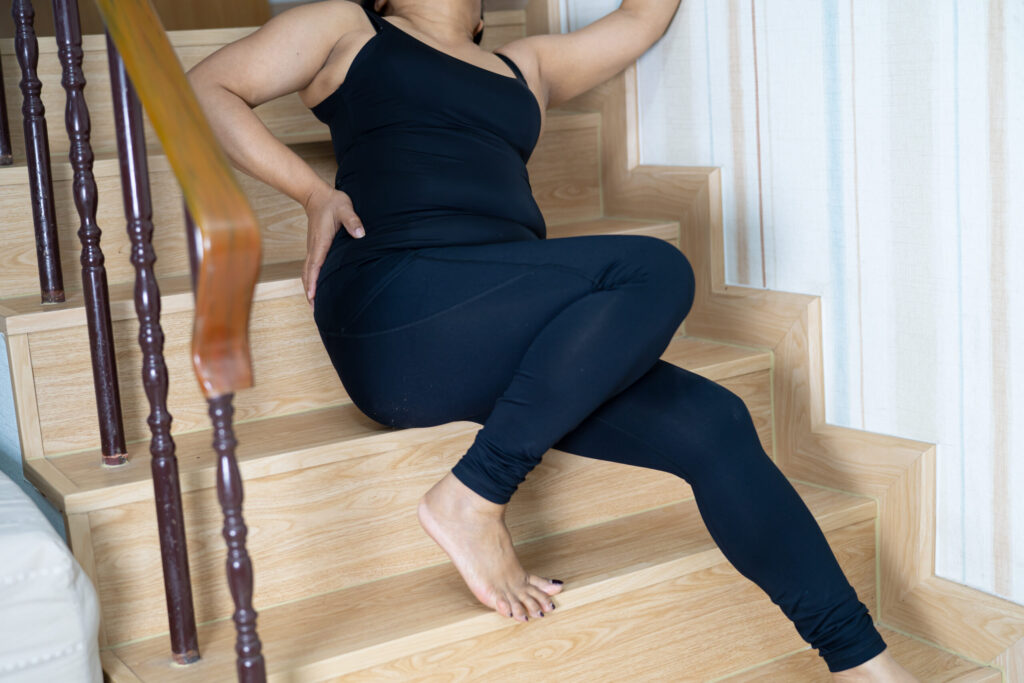
Anyone can fall and get hurt. Falls are one of the most common causes of injury in the United States. While falls can happen to people of any age, they affect older adults the most. Falls are the leading cause of injury and injury-related death for adults age 65 and older in the United States. Each year, millions of older adults fall. Many of these falls lead to injuries that require medical care.
In Polk County, recent data from 2024 also shows that falls are the leading cause of fatal injury for adults age 65 and older. Because of this, preventing falls is an important public health concern for the Department of Health in Polk County.
Why Are Falls a Bigger Concern for Older Adults?
As people age, their bodies go through changes that can increase the risk of falling. Muscle strength and balance may decrease over time, and reaction time can become slower. Vision and hearing problems may also make it harder to notice hazards in their environment.
Some older adults live with health conditions that affect how they move or keep their balance. Certain medications can also cause dizziness or weakness. When these factors combine, even small hazards like loose rugs, clutter, or poor lighting can increase the risk of a fall.
What Can Falls Lead To?
Falls can lead to many types of injuries. Some injuries are minor, such as bruises or cuts. Others can be more serious and may require medical treatment.
Broken bones and head injuries are common after a fall. Hip fractures are also a serious concern for older adults and can take a long time to heal. In some cases, recovery may require physical therapy or rehabilitation. After falling, some older adults become afraid of falling again. This fear may cause them to move less or avoid activities they once enjoyed. Over time, reduced activity can lead to weaker muscles and an even greater risk of falling.
Prevention
The good news is that many falls can be prevented. Taking simple steps can help lower the risk. Regular physical activity can improve strength, balance, and coordination. Vision and hearing checkups can also help identify problems that may increase fall risk. It is also helpful for older adults to talk with their doctor or pharmacist about their medications, since some medicines may cause dizziness or affect balance.
Making the home safer is another important step. Good lighting helps people see clearly when walking through their home. Removing loose rugs and clutter from walkways can prevent tripping. Installing grab bars in bathrooms and handrails on stairs can also provide extra support.
Small safety changes can make a big difference in preventing falls.
Treatment
If a fall happens, it is important to check for injuries and seek medical care when needed. Severe pain, trouble standing or walking, head injuries, dizziness, or confusion may be signs that medical attention is needed right away. Treatment will depend on the type of injury. Some people may need rest or medication to help manage pain. Others may require a cast, brace, or physical therapy to help them recover and regain strength.
After a fall, it is also important to understand what caused it. Identifying the cause can help prevent another fall in the future and keep older adults safer and healthier.
About the author: Dr. Alison Young-Tan, an internal medicine/pediatrics physician, currently serves the community as medical director for the Florida Department of Health in Polk County (DOH-Polk).