

Polk State College OTA Students Bring Life-Changing Skills to The Mission of Winter Haven
by SHAYLYNN MARKS
photos provided by POLK STATE COLLEGE
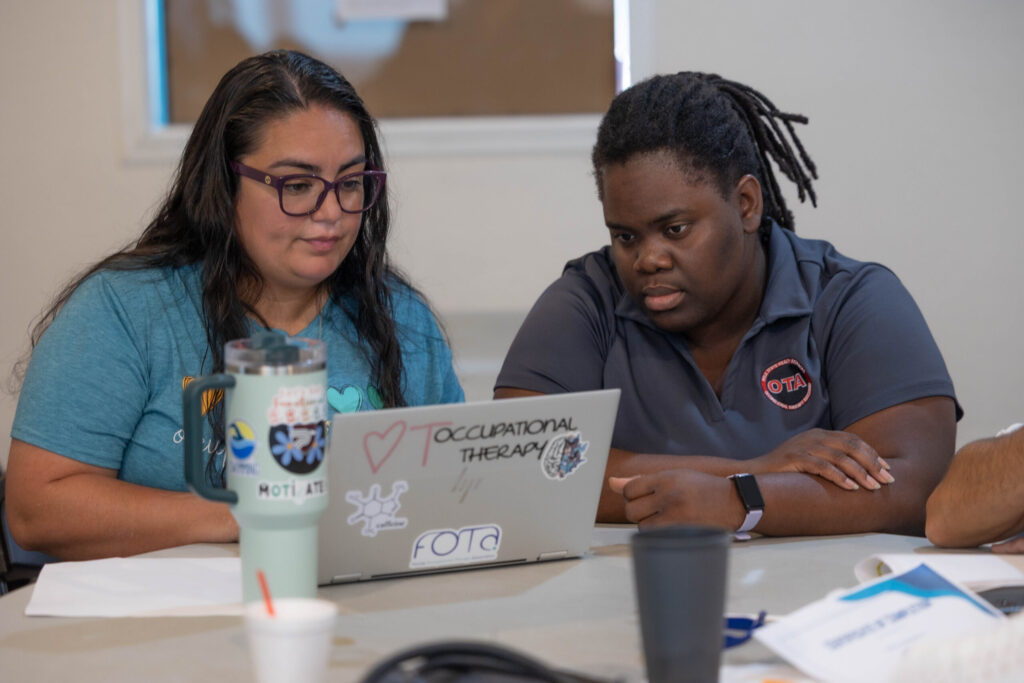
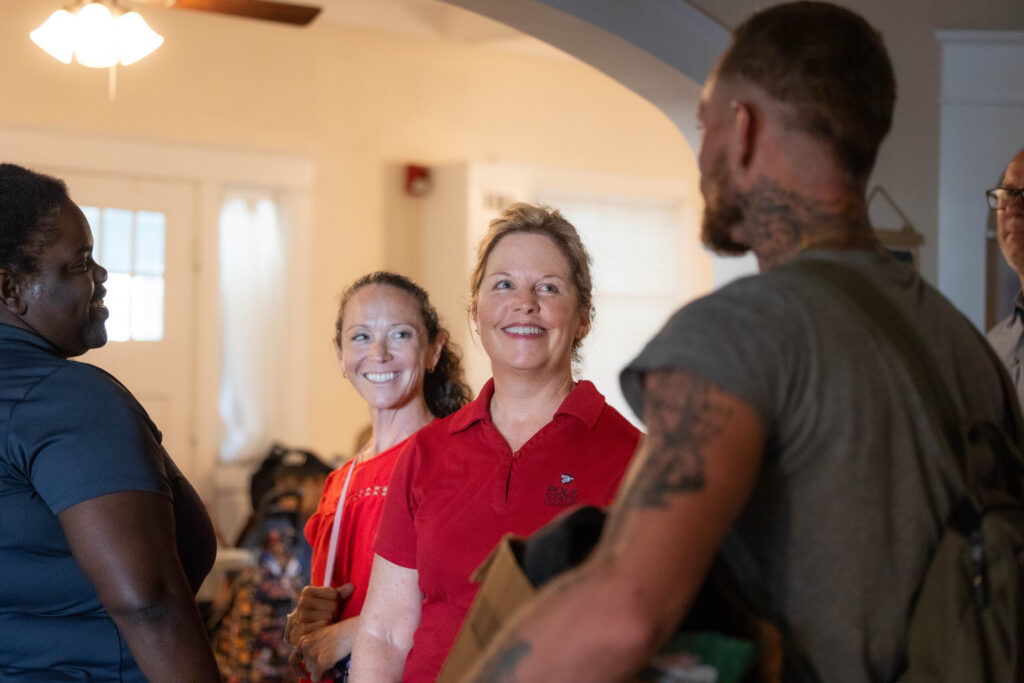
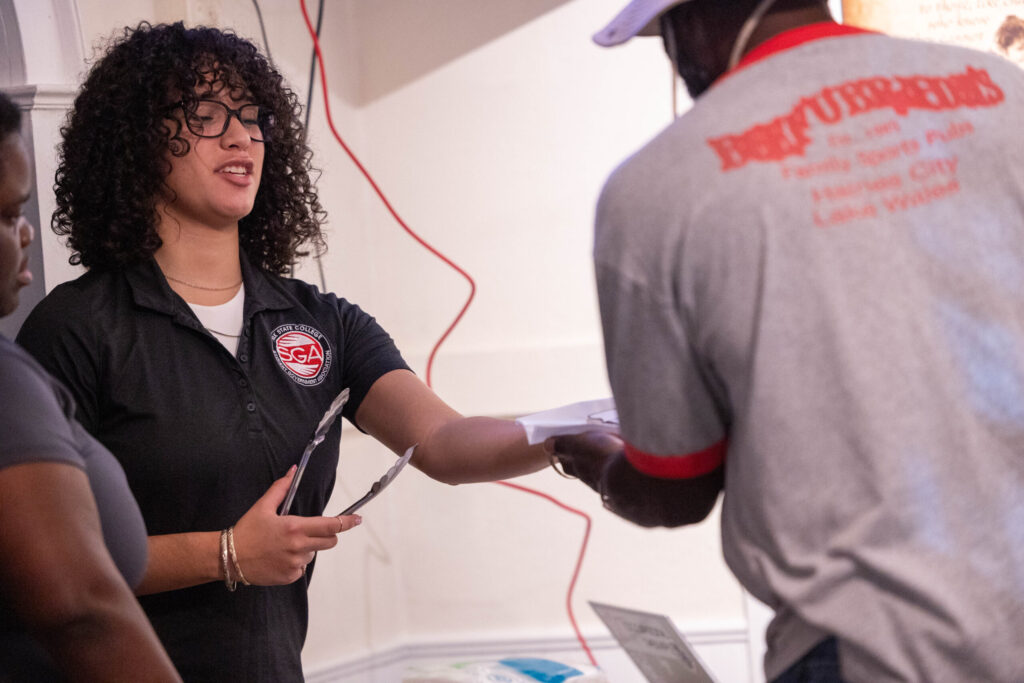
In a partnership that is the first of its kind in the United States, Polk State College’s Occupational Therapy Assistant (OTA) program has fully integrated into the operations of The Mission of Winter Haven, a day center serving individuals experiencing hunger and homelessness. The collaboration is giving OTA students hands-on experience while equipping clients with vital life skills, from personal hygiene to workplace readiness.
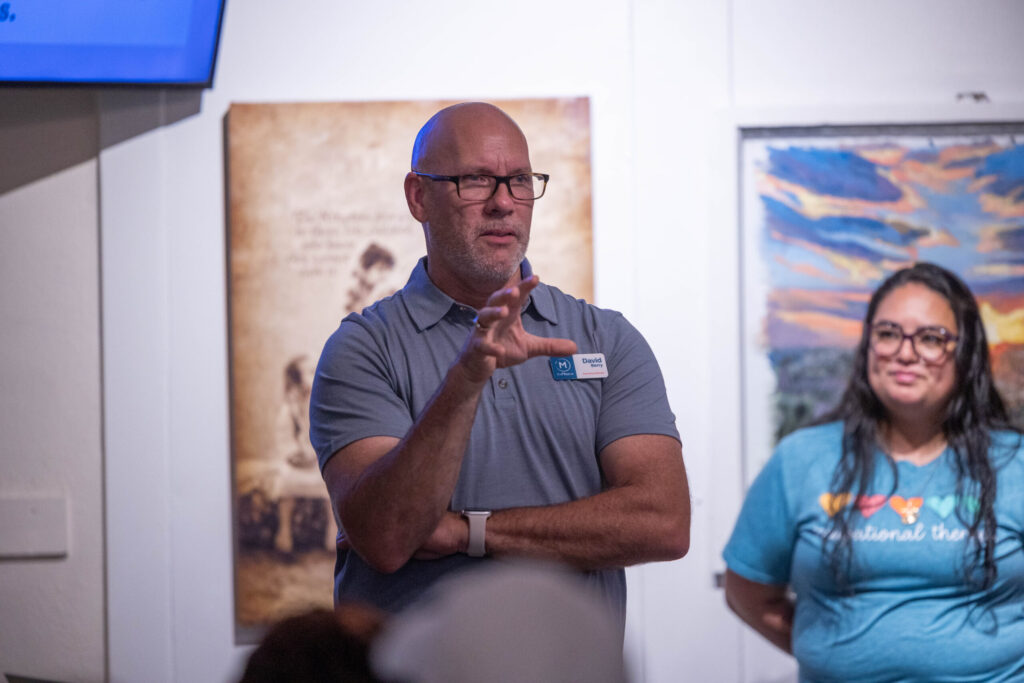
David Berry, executive director of The Mission, says the program grew out of years of research into better ways to address the complex needs of the homeless population.
“We started digging deeper and found a global study that showed 53% of people experiencing homelessness have a traumatic brain injury, 72% have a mental health issue — diagnosed or not — and 67% struggle with substance misuse.”
Berry says many of the people they serve have been passed through systems without their trauma or basic needs ever being addressed.
“Some read at an elementary school level, never been taught basic self-care, and have endured cycles of neglect. These aren’t bad people; they’ve faced unimaginable hardships and just need the right support,” Berry says.
A Curriculum for Real Life
Lucerito Gonzalez, Polk State’s academic fieldwork coordinator, saw an opportunity to match the OTA program’s holistic approach to The Mission’s needs.
“This is the first program of its kind in the nation to be fully embedded in a homeless services center’s operations,” Gonzalez says. “It’s the application of: Can you take what you’ve learned in the classroom and apply it to real life?”
After a detailed needs assessment, she and program director Annette Bullard worked with students to design curriculum and interventions tailored to the center’s clients.
From those assessments, students created illustrated guides, bus route maps, and large-format word search and puzzle boards to stimulate memory and focus. Other projects included mindfulness activities, crochet classes, and sensory-based interventions. One of the most impactful projects has been the laundry training program.
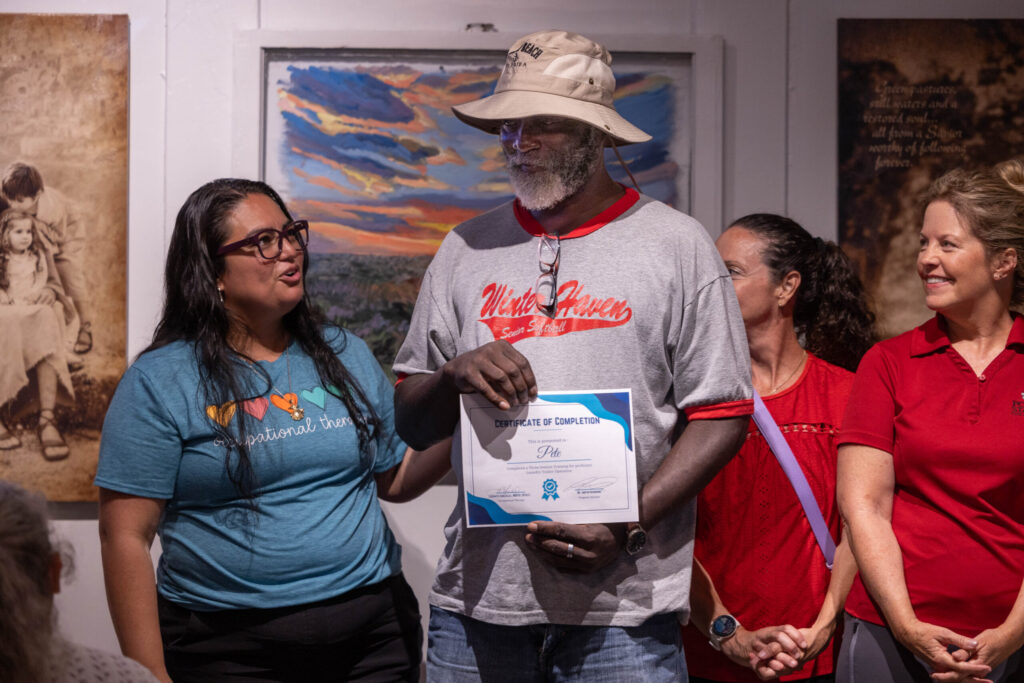
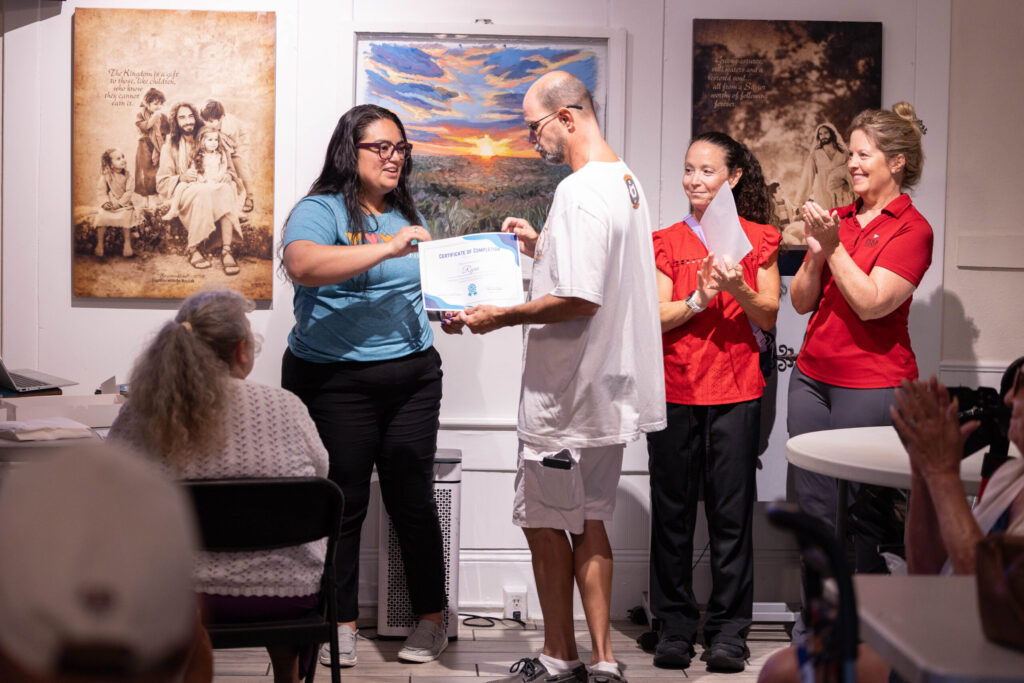
“We broke down the process so it could be understood at different levels, then trained clients to safely and properly use the machines,” Gonzalez says.
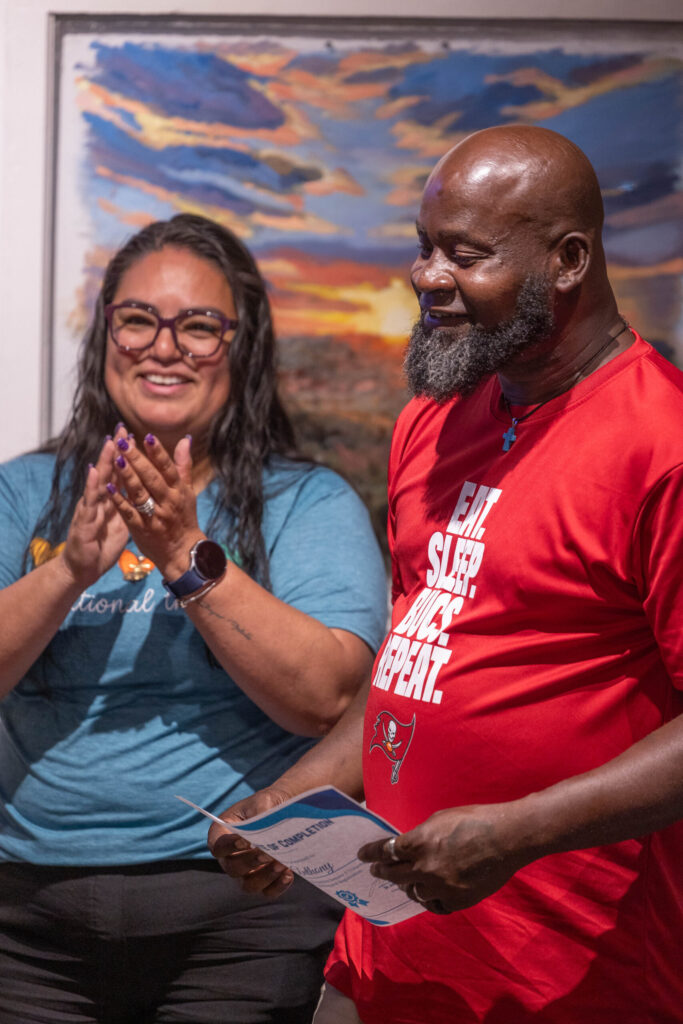
“At the end, they received a certificate showing they were qualified to serve as a laundry attendant.”
That certification has already led to impactful results.
“We’ve had clients hired as laundry attendants at local facilities because of this program. That’s life-changing,” says Berry, noting that for some, it was their first steady job in years.
Changing Career Perspectives
For many OTA students, the experience has opened their eyes to new career possibilities and deepened their empathy.
“Many students may begin the program thinking they want to be an OTA in the hospital setting or assisted-living facility, but their career goal may change after having the opportunity to experience a setting they may not initially be familiar with,” says Lisa Correll, Polk State’s associate dean of health sciences. “This experience also provides students the opportunity to interact with individuals that may have a vastly different life experience and circumstances.”
Julissa Mendez, an OTA student, says the monthlong rotation at The Mission allowed her to gain valuable experience in the field.
“I get to come here for a month and plan out working under an OT, assess the clients we have here, and then come up with my own intervention to try to implement something that would help benefit them to grow.”
Ode Remy, another OTA student, praises the program’s structure and faculty support.
“The professors, the directors, they’re all here for you, and you have people that genuinely care about your success,” Remy says.
“If you’re willing to do the work, they’re willing to work with you.”
Berry says the students’ presence has brought new energy to The Mission.
“I walked through the dining room about an hour and a half later and saw them actually doing chair yoga with the folks. They were laughing, they were smiling, and they even asked when the students were coming back to do it again,” he says.
“It’s about engagement; if they’re participating in something positive, they’re not out on the street getting high.”
On the Horizon
Gonzalez says the model has attracted interest from other community programs and will be presented at the Florida Occupational Therapy Association conference in November. She hopes it will inspire similar programs in other cities.
“Sometimes people want to help but don’t know how,” she said.
“This shows them it’s possible and sustainable.”
Correll hopes the success will inspire other health science programs at Polk State to establish similar rotations at The Mission.
“Many of our health science students will interact with underserved populations throughout their careers,” she says.
“This experience will continue to provide our students with opportunities to gain a better understanding and perspective of what many of our patients in the future may experience.”
Berry says his next big milestone is to bring on a full-time certified occupational therapy assistant for The Mission while continuing to expand the program’s reach.
“If we each bring our best to the table,” he adds, “it’s that person that wins.”
Gonzalez emphasizes that the work goes beyond teaching practical skills to focus on changing futures.
“When you empower people with the tools to succeed, you’re helping them build a foundation for the rest of their lives,” she explains.
Her perspective captures the heart of the program’s impact: bettering lives, fostering stability, and restoring a sense of dignity and humanity to those who are too often overlooked.