
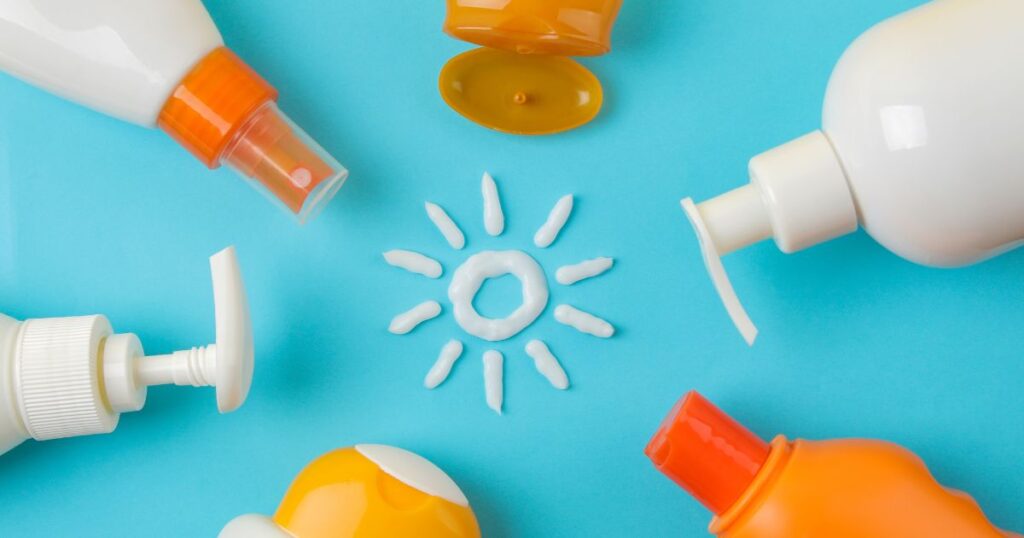

When you head out into the sun, you have countless options for products to use to protect your skin. From sprays and creams to sticks and gels, it’s safe to say you can find sunscreen in just about any form. While you have plenty of choices, there haven’t been any new advancements in sunscreen ingredients since the late 1990s. That’s about to change this August.
The U.S. Food and Drug Administration recently approved a new ingredient for use in sunscreens sold in the U.S.
Say Hello to Bemotrizinol
Health experts welcome the addition of bemotrizinol, a chemical UV filter, to the arsenal of ingredients for a couple of reasons.
- Longer lasting: Current chemical sunscreens on the market in the U.S. rely heavily on the ingredients avobenzone and oxybenzone to fight off UVA rays. But these break down faster when exposed to sunlight. (Ironic, no?) Bemotrizinol, on the other hand, is photostable, so it breaks down more slowly, meaning you don’t need to reapply it as often.
- Better safety profile: One possibility that leaves many fearful of using sunscreen is the chance of it passing through the skin and getting into the bloodstream. Bemotrizinol, however, is a larger molecule, making it less likely to get into your bloodstream.
- Transparent: Unlike other sunscreens that can leave a white cast on your skin, bemotrizinol is clear.
It’s worth noting that bemotrizinol has been used in Europe and Asia for decades. That’s because sunscreens overseas are classified as cosmetics, whereas the U.S. classifies them as over-the-counter drugs, which means they undergo FDA scrutiny.
So, when can you get your hands on it? The FDA’s approval goes into effect August 9, meaning—theoretically—sunscreens containing the ingredient could be available as soon as late summer.
No matter what you wear, the key is to commit to wearing it. As someone previously diagnosed with skin cancer, I can definitively say Florida’s sun isn’t playing around, and neither should you.