

by SHAYLYNN MARKS
Breast cancer is far more common in older women, but data from the most recent decade of data shows diagnoses among women younger than 50 have been slowly increasing by about 1.4% each year.
While that increase is enough to get the attention of researchers and physicians, Watson Clinic’s Dr. Elisabeth Dupont says it has not translated into a dramatic shift in what she sees day to day.
“Because the rate of increase has been slow and low, I have not really appreciated a major change,” she says. “I have always had young patients.
Dupont recalls treating a 25-year-old about 20 years ago who is still doing well today. What has changed, Dupont says, is how much attention breast cancer in younger women receives.
“I would guess in the past 10 years, it has been more on my mind,” she says.
Different Ages, Different Challenges
Breast cancer at a younger age can differ from breast cancer diagnosed later in life.
Dupont says younger patients are more likely to be diagnosed with aggressive subtypes, including triple-negative, HER2-positive and hormone-negative breast cancers.
Screening also presents a set of its own challenges. Most women younger than 40 are not yet undergoing routine mammography, and younger women frequently have dense breast tissue, which can make it more difficult to detect cancer on mammograms.
In addition, Dupont says high-risk surveillance programs have become more common, along with an overall greater public awareness.
“Today we talk about it, where in the past it was taboo,” she says.
Younger women may also experience concerns that differ from those of older breast cancer patients. Treatment can affect fertility and can also potentially contribute to early menopause or sexual dysfunction.
Many of the younger patients are also raising children and building careers for themselves. Navigating financial responsibilities is another obstacle they grapple with while undergoing treatment.
In addition, Dupont adds, younger breast cancer survivors have a higher prevalence of psychosocial issues, such as anxiety and depression.
Know Your Personal Risk
While family history matters, Dupont says genetics play a smaller role than what many assume.
“Genetic influence is not as common as people think,” she says. “Still, most people with breast cancer do not carry a gene.”
She adds that if a younger patient has a strong family history of breast or ovarian cancer or genetic mutations associated with breast cancer, she recommends closer monitoring or earlier screening.
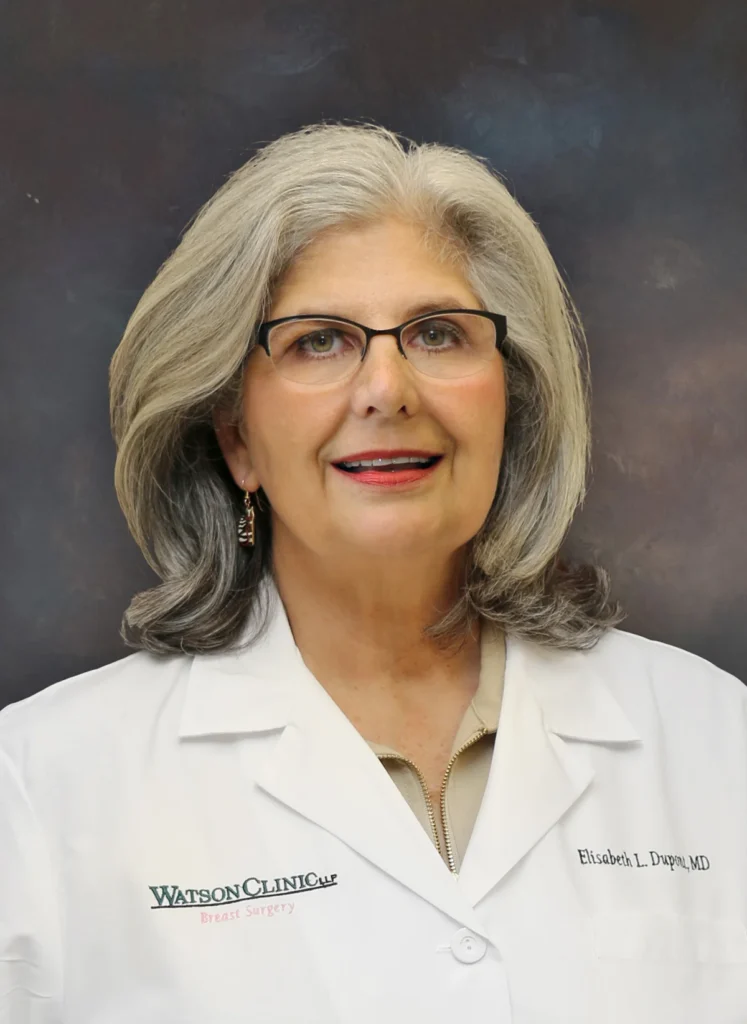
Dupont says many experts recommend genetic testing for women younger than 50 who are diagnosed with breast cancer.
Other risk factors she identifies include having children later in life, lack of physical activity, and obesity.
Breast cancer disparities also deserve closer attention. Research has shown that black women ages 20 to 29 experience breast cancer at a rate 1.3 to 1.5 times higher than white women in the same age group. Black women ages 20 to 49 are also nearly twice as likely to die from breast cancer and twice as likely to develop triple-negative breast cancer.
Differences in access to and quality of health care may contribute to those disparities, although researchers continue to study the causes.
The stakes can also be higher when breast cancer develops at a younger age. More than 1,000 women younger than 40 die from breast cancer each year, and research has found an increase in metastatic breast cancer at the time of initial diagnosis among women younger than 40.
Know Your Normal
For younger women who are not yet receiving routine mammograms, awareness of changes in the breast is especially important.
Dupont recommends watching for a lump, skin thickening, rash, dimpling that resembles an orange peel, redness, swelling, or changes involving the nipple, including inversion, itching, or scaling.
Nearly 80% of young women diagnosed with breast cancer discover the abnormality themselves, so Dupont insists that it’s especially important to know what’s normal for your body and to see a doctor when something changes.
At the same time, she cautions against assumptions.
“I think most overestimate their risk,” she says.
Women can take several different steps that may help reduce their overall risk, which include maintaining a healthy weight and exercising regularly. She also recommends limiting or avoiding alcohol. Breastfeeding may also reduce the risk.
For younger women, having awareness and knowledge of family medical history may be the most practical tool before routine screening begins.