

by MURRY FALKNER, Eye Specialists of Mid-Florida
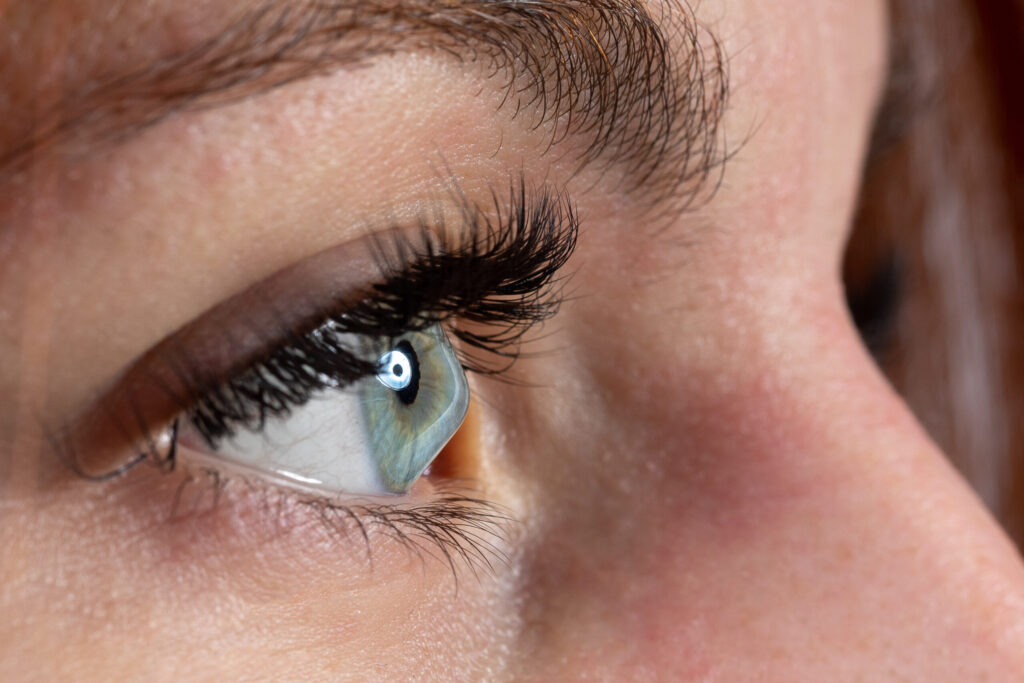
Keratoconus is a condition where the clear tissue, the cornea, on the front of the eye starts to thin out over time. This thinning process can lead to glare, halos, increased astigmatism, scarring, and even pain. If you or your child have any of these symptoms, it is important to get evaluated for potential keratoconus.
Keratoconus has the potential for tremendous visual loss and often needs more assistance than glasses alone. There are a few ways to help improve visual outcomes, but these all start with correctly identifying and diagnosing patients with this condition. Keratoconus most commonly affects both eyes and starts in the late teens to mid-30s, although there can be late bloomers for this condition. Patients with allergies, asthma, and rhinitis are high-risk patients, and it’s important to get evaluated by your eye doctor if you notice you suffer from seasonal/annual allergies. Constant eye rubbing can create continuous stress on the cornea, causing a breakdown of the ocular structure and constant change.
Signs, other than constant eye rubbing, that your child may have keratoconus include reduced vision, continuous change to the glass prescription, blurred or distorted vision and even ocular pain. Parents may notice squinting in children with changing prescriptions, and often they may note headache complaints in children.
The most important message for parents is simple: Do not ignore chronic eye rubbing. If your child has allergies, persistent itching, worsening astigmatism, or a family history of keratoconus, schedule a comprehensive eye examination. Early detection and intervention can make a tremendous difference in preserving lifelong vision.
Treatment for keratoconus depends on the severity of the condition and whether it is progressing. In the early stages, glasses or soft contact lenses may provide adequate vision correction. As the cornea becomes more irregular, specialty contact lenses such as scleral lenses are often needed to achieve the best visual outcomes. When progression is detected, corneal collagen cross-linking can help strengthen the cornea and slow progression. The key to successful treatment is early diagnosis, which allows intervention before substantial vision loss develops.
Vision changes caused by keratoconus may be subtle at first, but identifying the condition early can help protect your child’s sight for years to come. What may seem like a harmless habit today could be an important warning sign that deserves attention.
If you’re experiencing vision issues or are due for an annual exam, schedule a visit with your optometrist. We’re here to help you see and feel your best. Call 800-282-3937 or visit us online at EYESFL.COM to schedule an appointment.
Bio: Dr. Murry Falkner is a board-certified optometrist who sees patients at the Lakeland-Highlands location for Eye Specialists of Mid-Florida. He specializes in primary care optometry, contact lenses, and is accepting new patients.
This column is sponsored by Eye Specialists of Mid-Florida, and the opinions expressed herein may not reflect those of CFHN or of its advertisers.