
KSC Cardiology
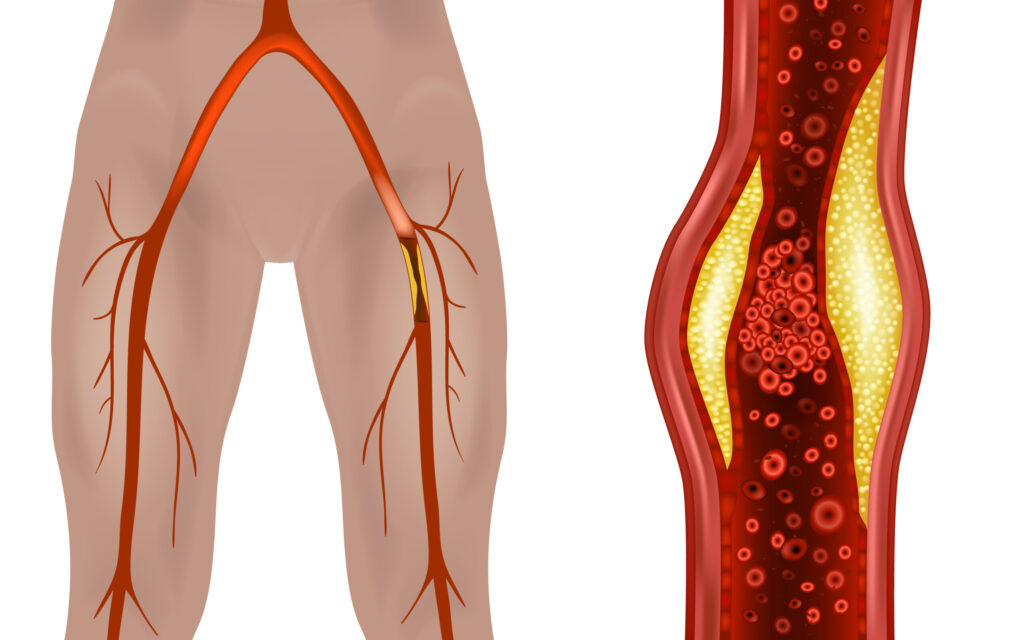
Peripheral arterial disease is the most common form of peripheral vascular disease. Peripheral vascular disease is a condition characterized by narrowing of blood vessels outside the heart and joint typically affecting the arteries that supply blood to the lungs.
You may be familiar with the terms of heart attack and angina, which are related to a blockage of blood flow to the heart. The same sort of blockage can occur elsewhere in the body, depriving arms and legs of oxygen and nutrients. PAD affects 8.5 million Americans. Left untreated, PAD can lead to amputation.
Healthy peripheral arteries are free of blockages, allowing blood to flow and provide oxygen, glucose, and other necessary nutrients. As people age, peripheral arteries build up plaque, which is largely made up of fat and cholesterol. Plaque narrows the passageways within the arteries and causes them to become stiff.
Symptoms
Pain in the legs (calves, thighs, or buttocks) or arms that happens when a person is active but ceases when the activity stops, could be claudication. Vascular claudication is a condition characterized by pain, cramping, or discomfort in the muscles, typically in the legs, that occurs during physical activity such as walking for exercise, and is relieved by rest. This condition is usually caused by poor blood flow to the muscles due to narrowing or blockage of the arteries, often as a result of peripheral arterial disease. The insufficient blood flow during activity leads to a lack of oxygen in the muscles, causing pain and fatigue.
When PAD becomes more severe, the limb can be robbed of basic nutrients. People with PAD might begin to suffer pain at rest, especially at night. Additionally, sores that will not heal may develop on the feet — another symptom of PAD
Causes
The most common causes and risk factors of developing peripheral arterial disease are older age, male gender, hypertension, diabetes, smoking, high cholesterol, obesity, lack of exercise, and a family history of vascular problems.
Leg pain does not always indicate PAD. However, older people experiencing any of the symptoms above — especially with risk factors — should ask their doctor if they should be checked for PAD.
People experiencing symptoms should seek an urgent referral to a vascular surgeon if they experience pain at rest — especially at night — or foot sores that will not heal.
Diagnosis
A simple, noninvasive ultrasound and blood pressure examination can diagnose PAD and determine its severity.
If you experience symptoms of PAD, ask your primary care physician to refer you to a vascular surgeon. Vascular surgeons can perform any necessary treatment, including medication management, minimally invasive procedures, and — if necessary — open bypass surgery.
Treatment
Treatment can include lifestyle changes/smoking cessation and daily exercise, as well as medical management if necessary.
As the disease becomes more advanced, the limb can be deprived of basic nutrients. Treatment is necessary to help prevent limb amputation and — in some cases — loss of life
September is peripheral arterial disease awareness month. You are welcome to step up for vascular health this September by joining the SVS Foundation’s vascular health step challenge.
- Walk 60 miles for your 60,000 miles of blood vessels Sept. 1-30.
- Raise awareness for PAD, a silent threat 70% of Americans don’t know exists.
- Support the cause. Every step funds life-saving vascular care.
You can learn more at https://vascular.org/svs-foundation.
This column is sponsored by KSC Cardiology, and the opinions expressed herein may not reflect those of CFHN or its advertisers.
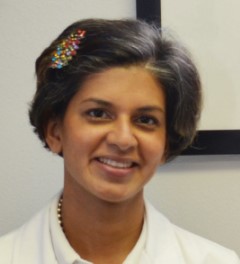
BIO: Dr. Aparajita is a fellowship-trained vascular and endovascular surgeon. She is a co-author of 20-plus journal articles and publications and was recently nominated for an Inspiration Award by the American Medical Association.