

by DR. KOLLAGUNTA CHANDRASEKHAR, KSC Cardiology
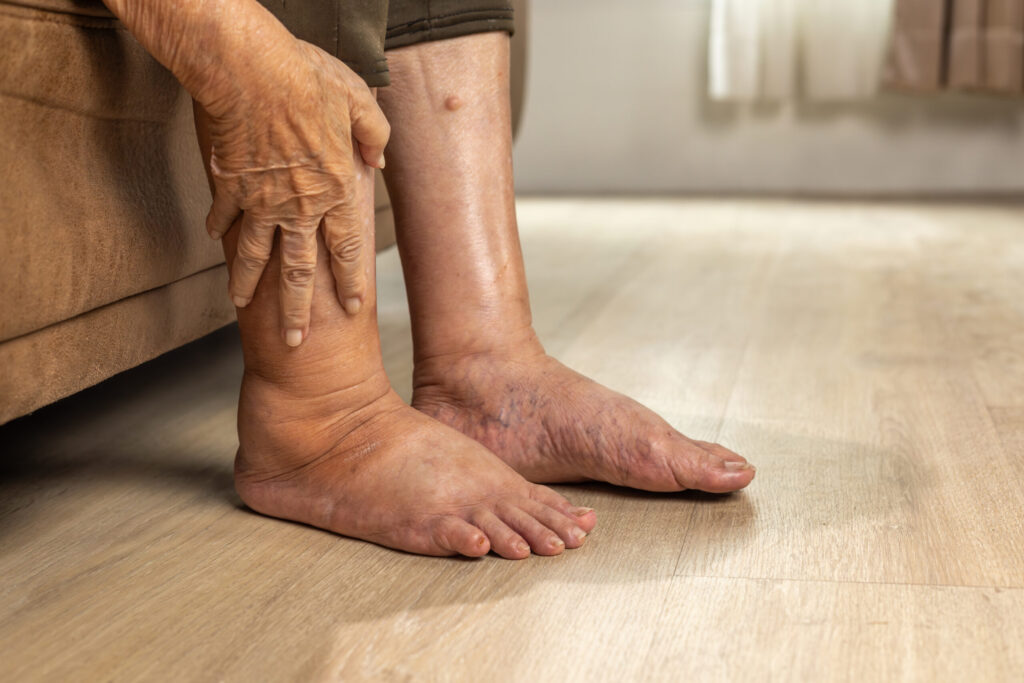
As I mentioned last month, congestion (filling up with fluid) is the most common reason for patients to present and be admitted to the hospital. This could be for breathlessness or could be from swelling in the legs. Admissions to the hospital are one of the bad prognostic signs of heart failure, even though diuresis and removal of fluid would get the patient better. In general, each admission can signal a worsening overall prognosis, even if the admission was for a non-cardiac reason.
Re-admissions for heart failure are discouraged by the Centers for Medicare & Medicaid and can result in penalty fines for hospitals. So, let’s discuss various ways to monitor this and the different ways we can treat it.
How to Monitor
The simplest way would be to monitor daily weights. We can then increase or decrease the diuretic based on an increase or decrease of body weight. The one major disadvantage of this strategy is that changes in body weight are a poor surrogate for assessing fluid buildup in the lungs. Different pacemaker/defibrillator companies have software in their devices that help monitor lung water. Each works in different ways. The one major catch is that the patient needs to have a pacemaker/defibrillator.
The best way, and one that we do, is by placing a small, implantable device called a CardioMems in the left pulmonary veins. There, it can transmit information about lung pressure to the doctor/clinic. This helps doctors intervene and treat two to three weeks before the patient really has any symptoms. This is proven to reduce readmissions, and it is most useful in patients who have had at least one hospitalization or worsening of heart failure requiring intravenous diuretics.
Treatment
It’s important to monitor salt intake and physical activity. Diuretics, often given intravenously, will be needed. Sometimes, the diuretic may have to be given as a continuous drip. The issues that need close monitoring are that patients may get dehydrated. The removal of fluid may be very slow, which may be an issue in patients who are severely fluid overloaded. Also, in hospitals, the hospitalists look for quick turnover and discharge, and this may be a barrier to discharge.
One option I sometimes use is aquapheresis. This involves placing a catheter in the vein and taking blood out continuously, filtering it, and putting it back in the system. This allows us to take out a large volume of fluid without directly taxing the kidneys.
BIO: Dr. Kollagunta Chandrasekhar, better known as Dr. Sekhar (pronounced Shaker) has been practicing cardiology in Winter Haven for more than 25 years.
This column is sponsored by KSC Cardiology, and the opinions expressed herein may not reflect those of CFHN or its advertisers.