
by DR. RITU APARAJITA, KSC Cardiology
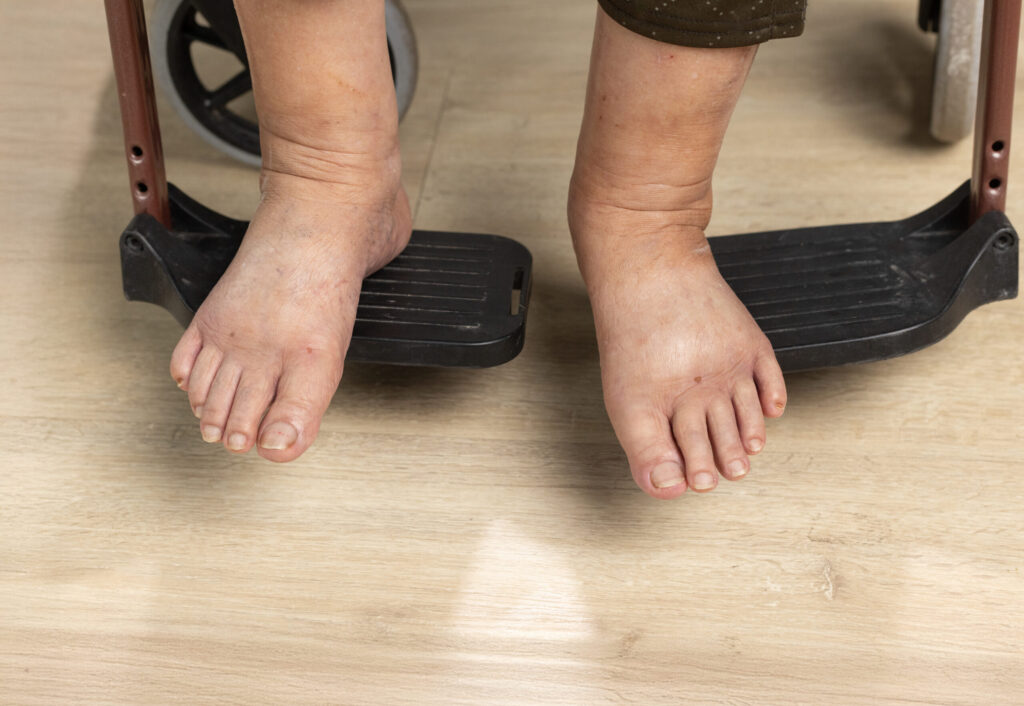
Lymphedema is largely a clinical diagnosis. When you see a vascular surgeon for the first time with this condition, they will order tests to ensure no underlying coexisting diseases are present. For example, they will order tests to rule out peripheral arterial disease (blockages in arterial circulation) and chronic venous insufficiency (vein blockages or incompetent valves in the veins that prevent blood from returning to the heart).
Once these conditions are ruled out, management focuses on preventing the condition from worsening. For example, meticulous skin care is of utmost importance to prevent wounds or ulcers from developing on the leg.
If either peripheral arterial disease or chronic venous insufficiency is identified, the vascular surgeon will treat these conditions with procedures to help clear blockages in your arteries. The treatment for chronic venous insufficiency largely depends on identifying reflux in the superficial or deep veins of your lower extremities.
Managing chronic venous insufficiency involves medical-grade compression therapy, such as wearing compression stockings consistently. If this does not adequately relieve symptoms, a vascular surgeon can discuss several procedure options with you. Additional medical treatments include weight loss, reduced salt intake, increased protein consumption, leg elevation, and regular walking to strengthen calf muscles and promote lymphatic fluid return.
The cornerstone of lymphedema treatment is manual lymphatic drainage. This involves a specialized physical therapist massaging the leg to help direct fluid that has leaked from lymphatic channels back toward the heart. Manual lymphatic drainage is performed exclusively at specialized centers with trained physical therapists.
Patients who are obese are encouraged to lose weight, as excess weight is a major factor contributing to lymphatic leakage. Some patients may benefit from a referral to a bariatric surgeon specializing in weight loss surgery. Surgical treatment for lymphedema is rarely needed, though it is available at specialized centers across the U.S.
BIO: Dr. Aparajita is a fellowship-trained vascular and endovascular surgeon. She is a co-author of 20-plus journal articles and publications and was recently nominated for an Inspiration Award by the American Medical Association.
This column is sponsored by KSC Cardiology, and the opinions expressed herein may not reflect those of CFHN or its advertisers.