
by SHAYLYNN MARKS
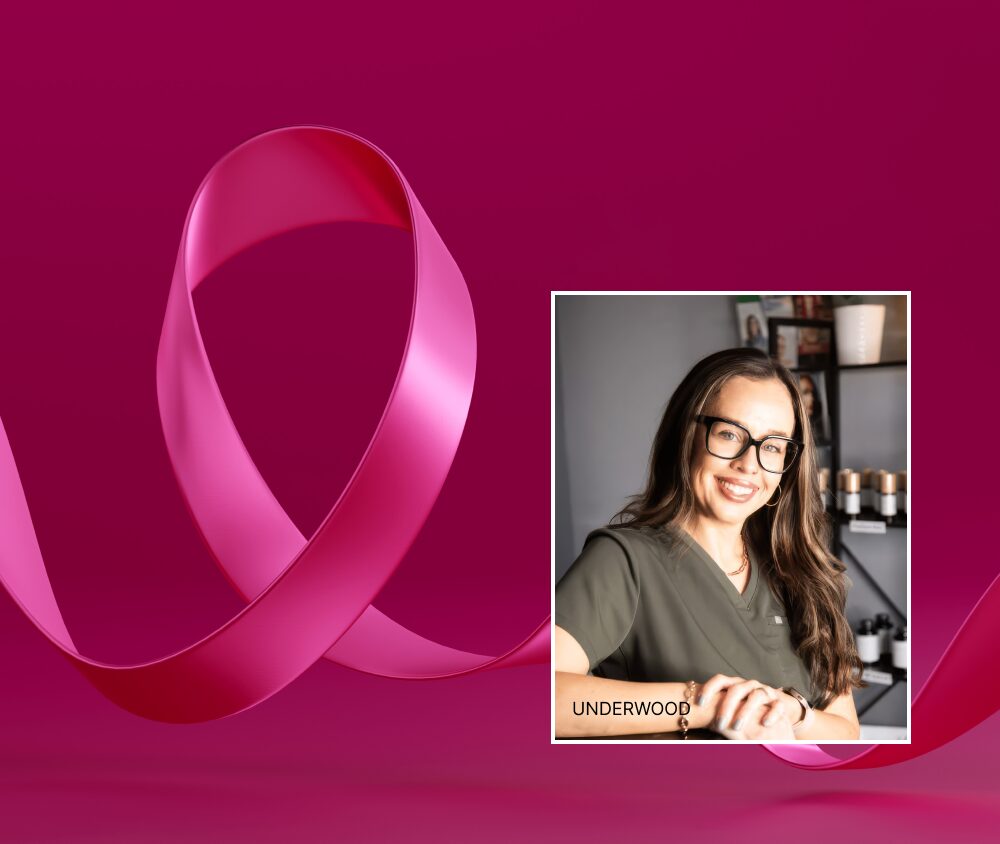
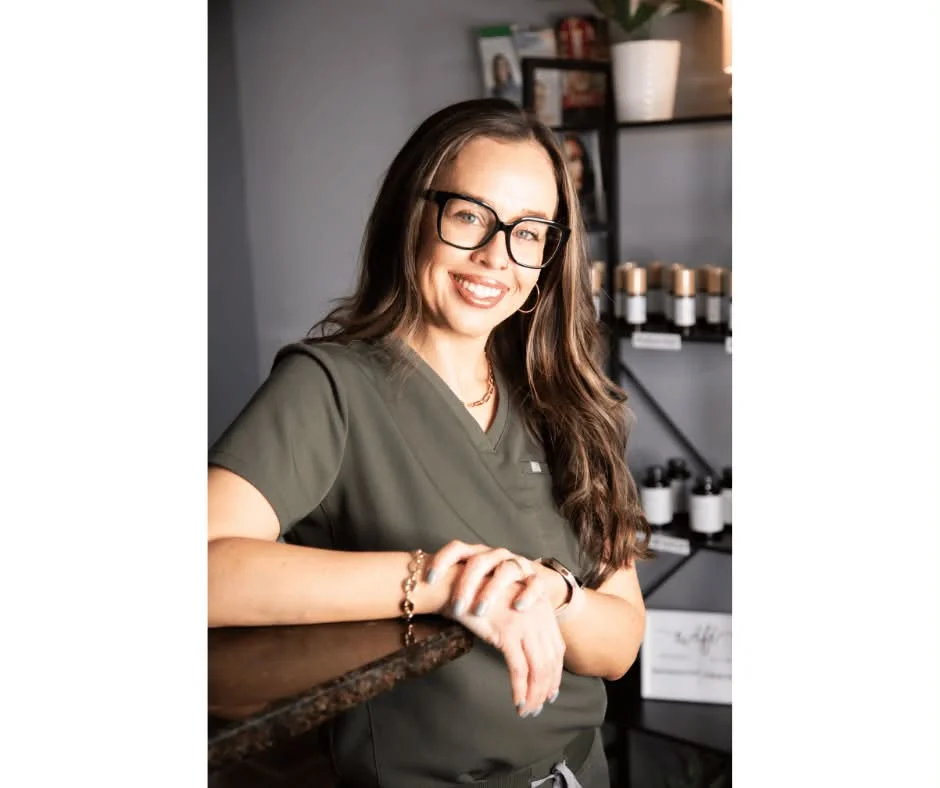
For Mulberry registered nurse Brittani Underwood, cancer was not unfamiliar territory. She had encountered it through her work with the oncology patients she cared for. What was unfamiliar was finding herself on the receiving end of that care after being diagnosed with breast cancer last year at age 38.
“I was very shocked,” Underwood says. “I worked in oncology, so this is something I’ve dealt with, but not myself. So, it was extremely shocking.”
For two years, doctors had been monitoring a lump in Underwood’s right breast with imaging every six months. The area in question remained relatively unchanged and was thought to be hormonal. But during what was expected to be her final round of frequent monitoring, an MRI revealed something concerning in a different area of the same breast.
Underwood was initially diagnosed with ductal carcinoma in situ, or DCIS. After surgery, pathology showed the cancer was invasive, leading to a Stage 1 invasive ductal carcinoma diagnosis.
Pushing for Answers
After an MRI detected the area that would later be diagnosed as cancer, Underwood was told to return for a targeted ultrasound and biopsy. But when a different radiologist reviewed the ultrasound, she was instead told she could return in six months.
Underwood pushed back and got the biopsy. She later sought a second opinion at Moffitt Cancer Center, where she continued her treatment.
“What would have happened if I had just walked out the door and just called it a day? If I hadn’t pushed for that, where would I be?” she asks. “Really research everything, and you must really advocate for yourself on what you need and want. You need to advocate for you.”
From Nurse to Patient
Even with her medical background, Underwood says becoming the patient changed the way she thought about cancer and treatment.
“I used to definitely have a very ‘I will never, ever, ever do chemo’ mentality,” she says. “And then, hello, here you are, and you will do anything in the world to make sure you’re there for your children and your husband.”
Testing ultimately showed that Underwood would not need chemotherapy or radiation, but her treatment required a double mastectomy with reconstruction.
“I don’t think I realized how traumatic it was going to be,” she says. “I think that the world tends to think, ‘Oh, you’re just getting a boob job,’ and that is not the case. It 100% is an amputation.”
Her surgery and reconstruction lasted roughly 12.5 hours, and the recovery was far more intense than she expected. For the first several weeks, she needed a walker and could not stand fully upright.
“It was a very, very intense recovery,” Underwood says. “I would never want to have to go through that again.”
What would have happened if I had just walked out the door and just called it a day? If I hadn’t pushed for [the biopsy], where would I be? Really research everything, and you must really advocate for yourself on what you need and want. You need to advocate for you.
— Brittani Underwood
Adjusting to a New Normal
Underwood, now cancer-free, still undergoes treatment. She takes tamoxifen daily and expects to remain on the medication for at least five years.
The side effects, including fatigue and joint pain, have forced her to adjust to what her body can handle.
“Sometimes cleaning the house takes me two to three days now, and I just kind of had to go, ‘Okay, that’s okay. If it takes three days, it takes three days,’ ” she says.
That adjustment has been emotional as well as physical. Underwood says she still processes what happened, even months after surgery.
“It’s almost like grieving a death,” she says. “You definitely just have to take it day by day and just really sit with your emotions. You’re allowed to feel it all, and you should feel it all because it’s a lot to process.”
Leaning on Her Village
Looking back on her treatment, Underwood credits the care team at Moffitt Cancer Center with supporting her in more ways than one.
“They treat you as a whole. They go to your mental health, your nutrition, your family. It’s quite the experience when you’re going through something like that to have a team like Moffitt.”
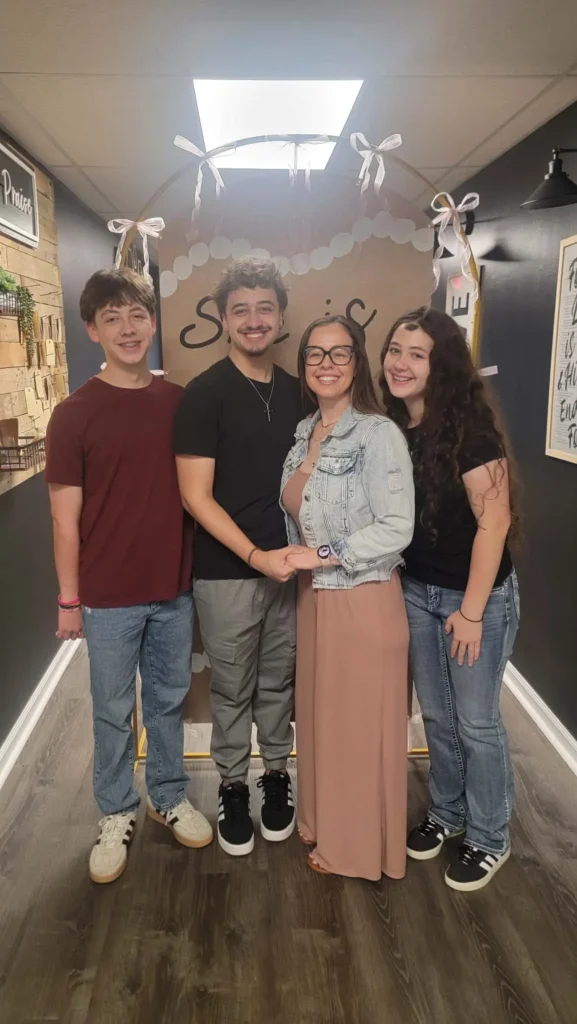
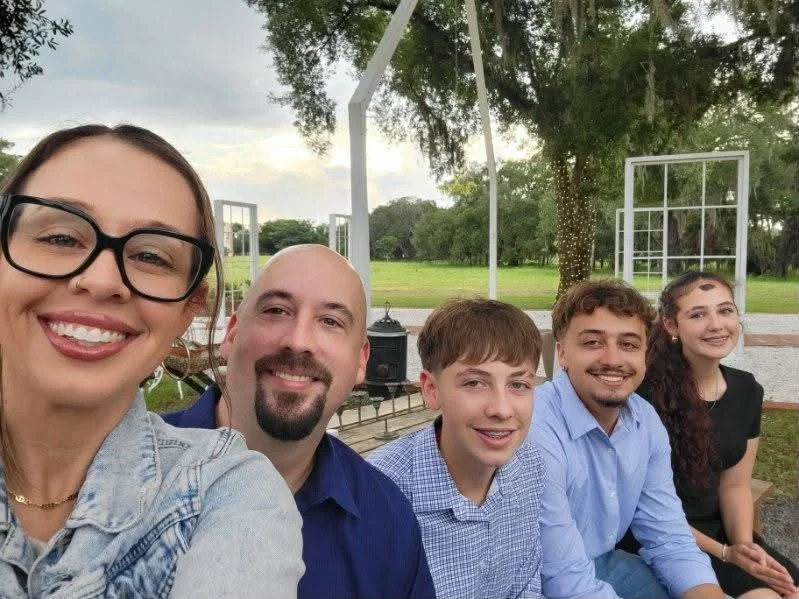
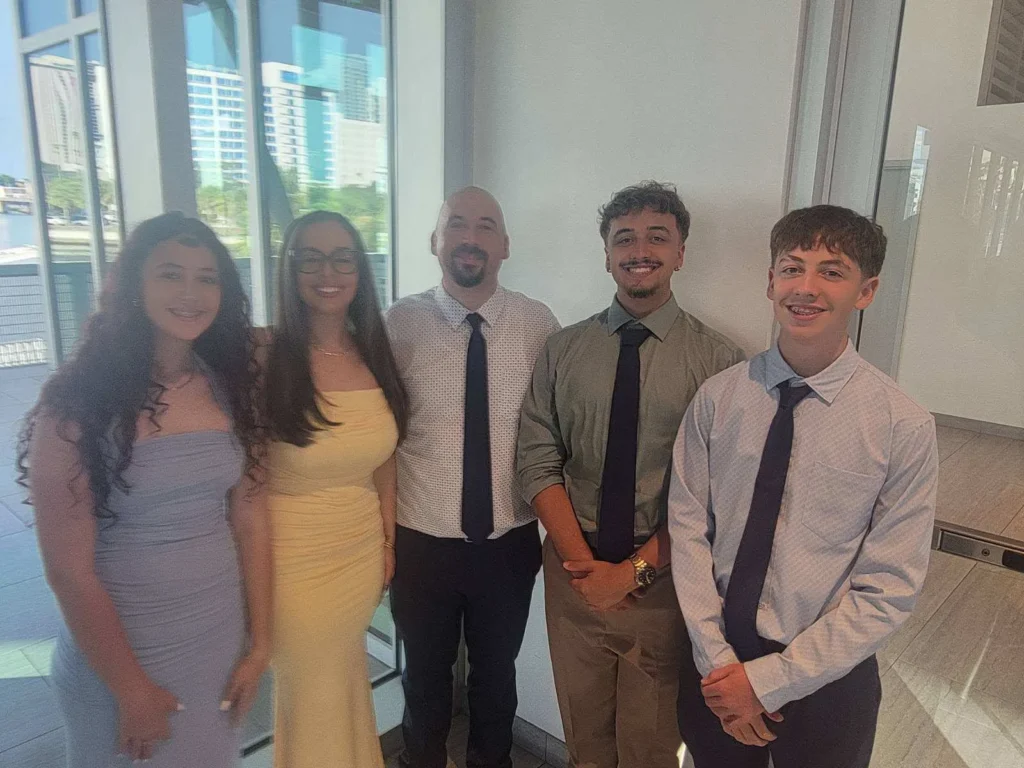
Underwood says her husband, along with her parents and brother, was one of her biggest sources of support throughout treatment and recovery.
Her church also organized a meal train for the family, delivering food to their home for several weeks while she recovered from surgery.
She came to rely heavily on her faith throughout the experience.
“If I didn’t have that relationship,” she says, “I don’t think my coping would have been quite as easy.”
Underwood encourages other women going through breast cancer to connect with the resources available in their own communities, especially when treatment and recovery begin to feel overwhelming.
One of the places she found support was the Breast Cancer Foundation of Central Florida.
“They are a great resource for our local community,” Underwood says. “They have the ability to not only help you financially, but they also put you in touch with support groups.”
Nearly a year after her diagnosis, Underwood is still finding her footing in a life that looks different than it did before cancer. What she wants others to remember is that they don’t have to figure everything out all at once.
“Just take it one day at a time.”
It’s almost like grieving a death. You definitely just have to take it day by day and just really sit with your emotions. You’re allowed to feel it all, and you should feel it all because it’s a lot to process.
— Brittani Underwood