by SHAYLYNN MARKS
Peace River Center’s Psychosocial Rehabilitation Services program helps adults living with serious and persistent mental illnesses build practical skills and work toward greater independence.
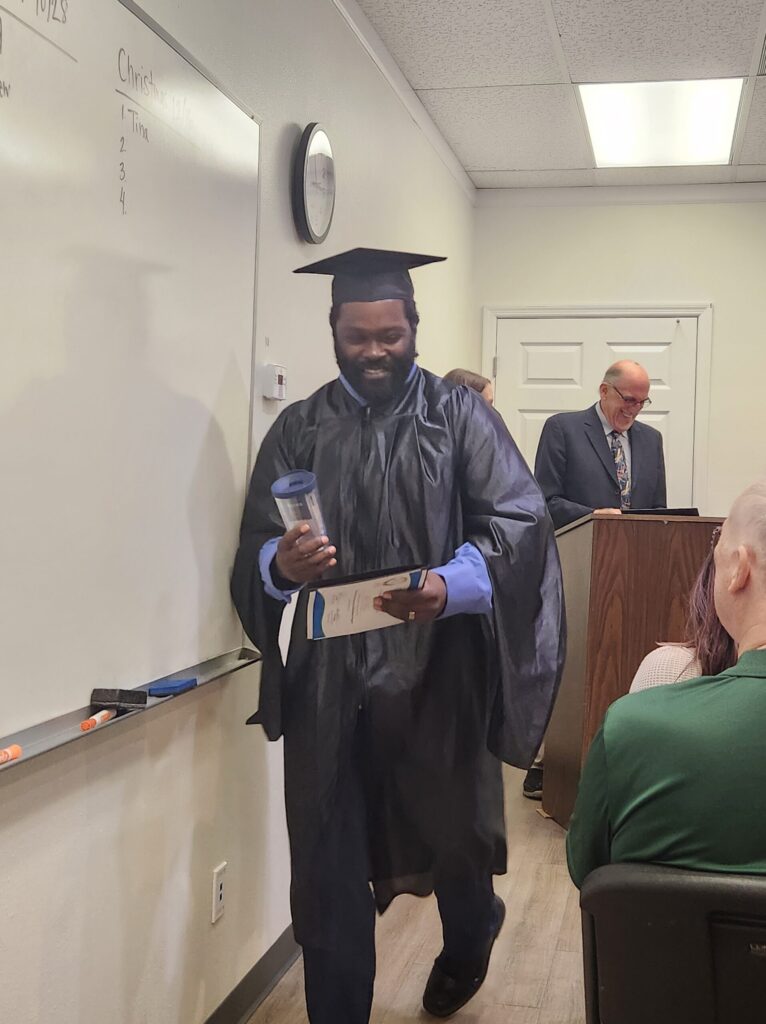
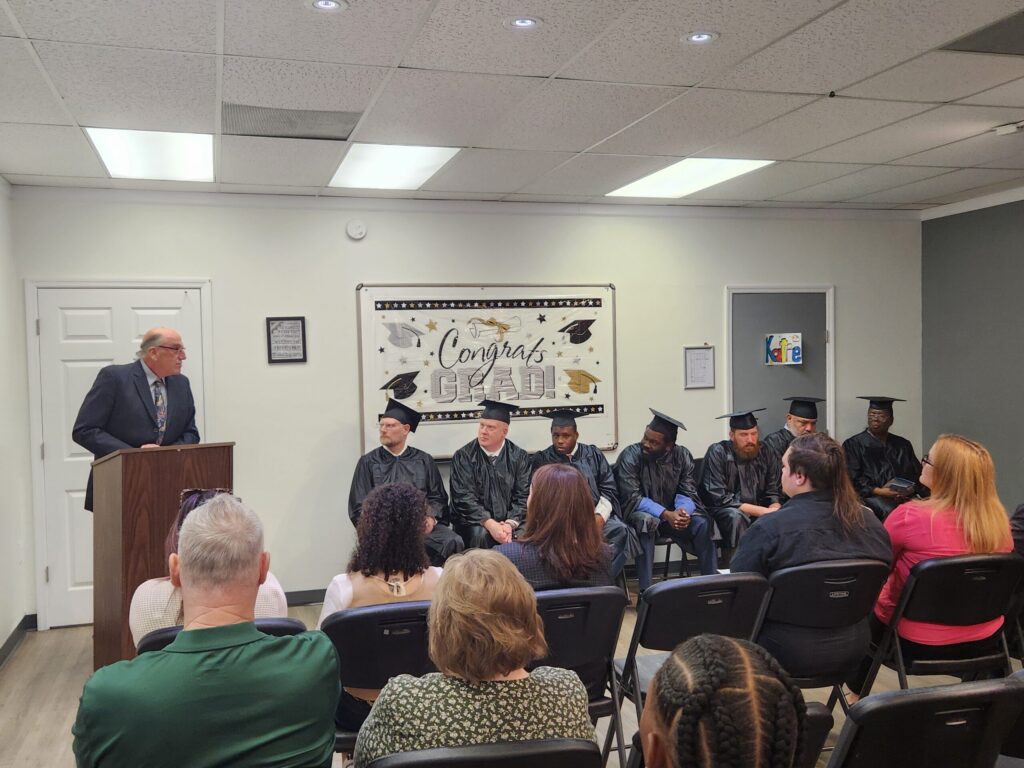
Family members, staff, and peers shared their pride for the nine recent graduates and described the changes they had witnessed.
“Hearing how proud your family is, how proud your peers are, that was really remarkable,” says Jessica Lawson, Peace River Center’s director of community relations.
Progress Built Around the Individual
PSR serves adults with several types of conditions, such as schizophrenia, bipolar disorder, anxiety, depression, and post-traumatic stress disorder. While doctors and therapists address the clinical side of treatment, PSR focuses on challenges participants may encounter in everyday life.
“We try to equip them with the skills and tools they need just to be able to get along,” says Rick Goeking, PSR program manager.
“Our main goal is community integration. We want to help people get integrated back into their own community and live the life that they want to live instead of being told how they should be or what they should be doing.”
That work follows a person-centered, strength-based model. Staff members work with each participant to recognize their abilities and build onto them instead of focusing on diagnoses.
“This is a person who happens to also be diagnosed with something, but they still have their strengths,” Goeking says. “They’re still an individual, and they deserve to live the life they want.”
The program spans 18 to 24 months, but the timeline depends on each person’s symptoms, goals, and progress.
“It’s a process,” Goeking says. “For most people, especially those with serious and persistent mental illnesses, it’s going to be a lifelong process. Our program is individualized for each client.”
Choosing a Personal Path
Participants are referred by a therapist, doctor, or care coordinator. Before enrolling, they may attend on a day pass to observe the groups and decide whether the program feels right for them.
If they continue, Goeking helps create a treatment plan for their goals. Participants choose morning and afternoon classes and how many days they want to attend.
“We identify what goals they want to try to achieve while they’re here, and then we look at what classes are available that would be most likely to help them achieve that goal,” he says.
The program’s five primary areas are symptom management, personal growth, independent living, social skills, and healthy habits. Classes may cover understanding a diagnosis, coping with symptoms, budgeting, caring for a home, reading a lease, or preparing to return to work.
“You kind of lose your sense of self,” Goeking says of the effects mental illness can have. “It’s like, how do I regain that? You have to be able to understand yourself and how you are responding to what is happening to you.”
Classes operate in three-month segments within a six-month treatment plan. Groups change regularly based on evidence and participant needs.
Finding Safety in Community
The group structure also creates space to connect with people who understand experiences that may be difficult to discuss elsewhere.
“We can talk about things that other people get uncomfortable around,” Goeking says. “It’s a freer space for them, and it’s a good opportunity for them to get back out and socialize with others.”
He also added that isolation can prevent people from seeking support or making progress. PSR counters that isolation through classes, shared meals, and seasonal activities. Participants have made Valentine’s Day pancakes and Halloween masks, and they host a Thanksgiving meal for the organization.
“It’s not all hard work,” Lawson says.
Celebrating How Far They Have Come
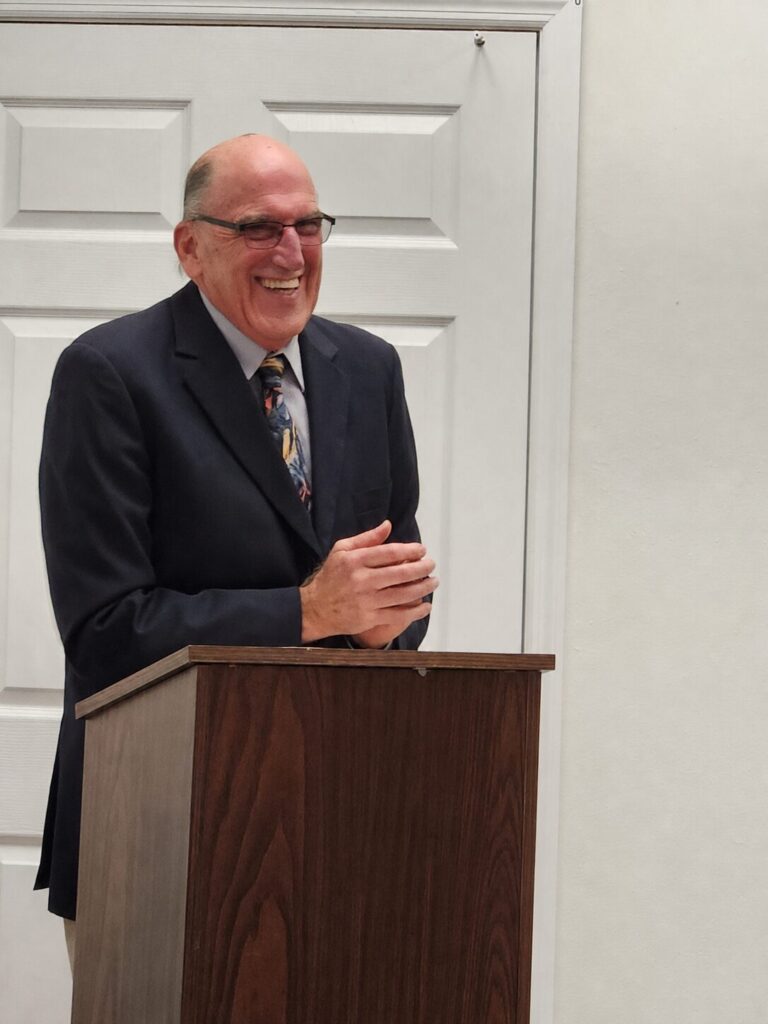
Graduation is based on individual growth as opposed to the number of classes taken. The recent ceremony was the program’s first in about four years.
“When they graduate, it doesn’t mean that’s the end of it,” Goeking says. “It’s just marking a milestone and publicly showing them, ‘You are making progress. You’re so much better than you were.’”
All nine graduates continue attending the program. Goeking encourages them to maintain the social connections and support they have developed.
“Once you graduate, keep coming,” he says. “You still need that interaction with others and that assurance that we’re here to support you. We’re all in your corner.”
For some participants, accepting recognition can be difficult because mental illness has affected their confidence. Goeking often reminds them to compare their current progress with where they began.
“You’re not where you want to be, but you’re not where you were,” he says. “At least I’m doing more than I was before, and I’m in a lot better shape than I was back in the day.”
Community support helps Peace River Center continue providing the education, individualized guidance and welcoming environment that make those gains possible.
For anyone hesitant to begin, Goeking recommends visiting and seeing the program firsthand.
“We’re really here to help you,” he says. “You get to determine your own path. We may recommend something, but we’re not going to tell you that you have to do it. It’s all your choice.”