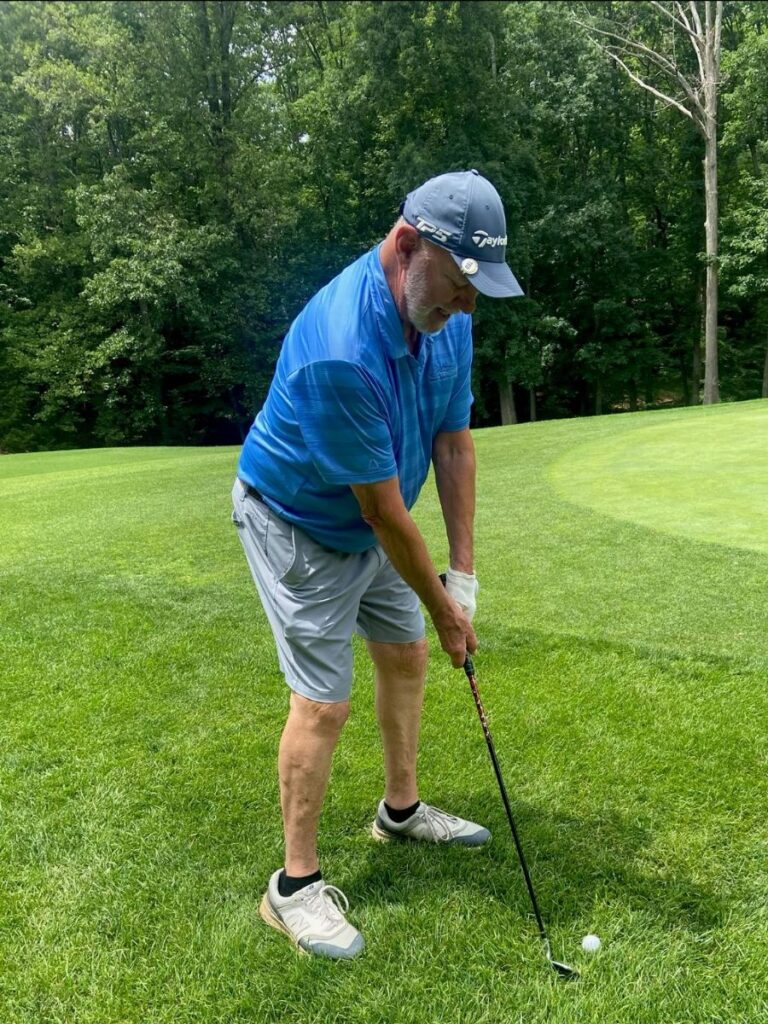
SEBRING, Fla. (Thursday, May 28, 2026) — What was supposed to be a day of golf with his two brothers in Sebring, quickly turned into a life-threatening emergency for Ted Moser. He said he was walking up to make a putt when he suddenly realized something wasn’t right.
“I got out of the cart on the second green and I could hardly stand up,” the 82-year-old said. “I putted the ball and went back to the cart, but when I got there, I couldn’t sit up, I’d keep falling over.”
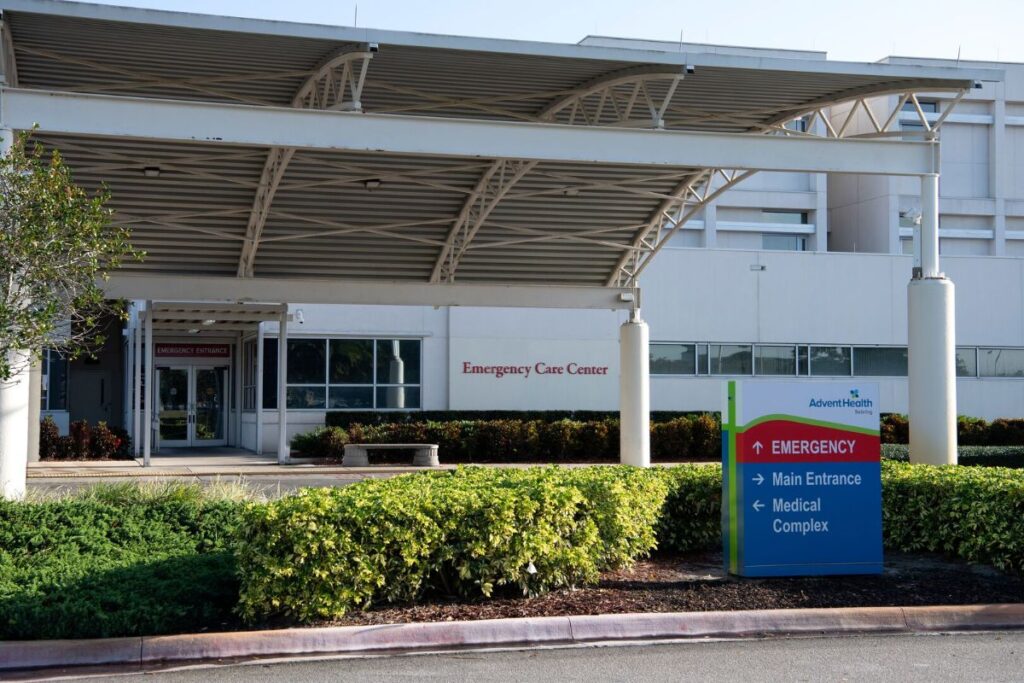
Moser was rushed to AdventHealth Sebring, where doctors determined he had suffered a stroke.
“The doctor said, ‘pick up your left foot’ and I’m lying on the gurney, and I looked at my left foot, and it wouldn’t move. I mean I absolutely couldn’t move it or my toes,” Moser recalled.
He was treated with a clot-busting medication after imaging revealed a clot in the right frontal lobe of his brain. Within a short time, he began to notice improvement.
“The doctor asked me to pick up my left foot again and I could pick it up maybe an inch,” he said. “A little while later he came back and I could pick it up just about a foot and then a short time after that, I was able to lift it up about as far as I normally could.”
After his hospital stay, Moser returned home to the Charlottesville area of Virginia, where he continues his recovery. While he said he’s not back to 100%, he remains grateful for the care he received.
“Every doctor and nurse at AdventHealth, along with those I’ve worked with at rehabilitation facilities said, ‘you are very lucky.’” Moser added. “All of them were good to me.”
May is Stroke Awareness Month, a time to raise awareness about the warning signs and risks associated with stroke. According to the Centers for Disease Control and Prevention, someone in the United States has a stroke every 40 seconds, and it remains a leading cause of death nationwide. Data from the Florida Department of Health shows both Highlands and Hardee Counties have higher stroke death rates than the state average.
“Anyone can have a stroke, but certain behaviors, family history, and medical conditions can increase your chances,” said Dr. William Fields, emergency department medical director at AdventHealth Sebring. “High blood pressure, diabetes, high cholesterol, smoking, physical inactivity and excessive alcohol use are some of the most common risk factors.”
Dr. Fields said taking steps to manage those risks can help prevent stroke, including maintaining a healthy weight, eating a diet rich in fruits, vegetables and whole grains, staying physically active and keeping blood pressure, cholesterol and blood sugar levels in check.
“One of the most important things you can do is recognize the signs of a stroke and call 911 right away, even if you’re not sure,” Dr. Fields said. “Quick action can save a life, maybe even your own.”
A helpful way to remember the warning signs is the acronym BE FAST:
B – Balance: Sudden loss of balance or coordination.
E – Eyes: Sudden blurred, double, or loss of vision.
F – Face: Drooping or numbness of the face.
A – Arms: Weakness or numbness of arms or legs on one side of the body.
S – Speech: Slurred speech, unable to speak, or difficult to understand.
T – Time: If you observe any of these signs, call 911 immediately.
Today, Moser continues to work on his recovery. He works as an usher for events at the University of Virginia, and he is also aiming to get back on the golf course.
“I’ve gone out and hit a bucket of golf balls, but I’ve not even thought about playing a full 18 yet, but that’s my goal for sure,” Moser said. “I will get back to where I’d like to be, I don’t have any doubt about that.”
You can learn more about stroke care and other care options at AdventHealth Sebring at AdventHealthSebring.com.
Provided by AdventHealth