

Honoring the Nurses Behind Polk’s Everyday Miracles
In hospitals, clinics, and care centers across Polk County, nurses are the steady hands and compassionate hearts that keep our community healthy. They are often the first to greet patients in moments of uncertainty, and the last to offer reassurance on the road to recovery. This month, we’re recognizing some of Polk County’s most notable nurses. These are the professionals whose skills, dedication, and empathy make a lasting difference in the lives they touch every day. Their answers to questions about the profession shed light on the strength it takes to do their job.
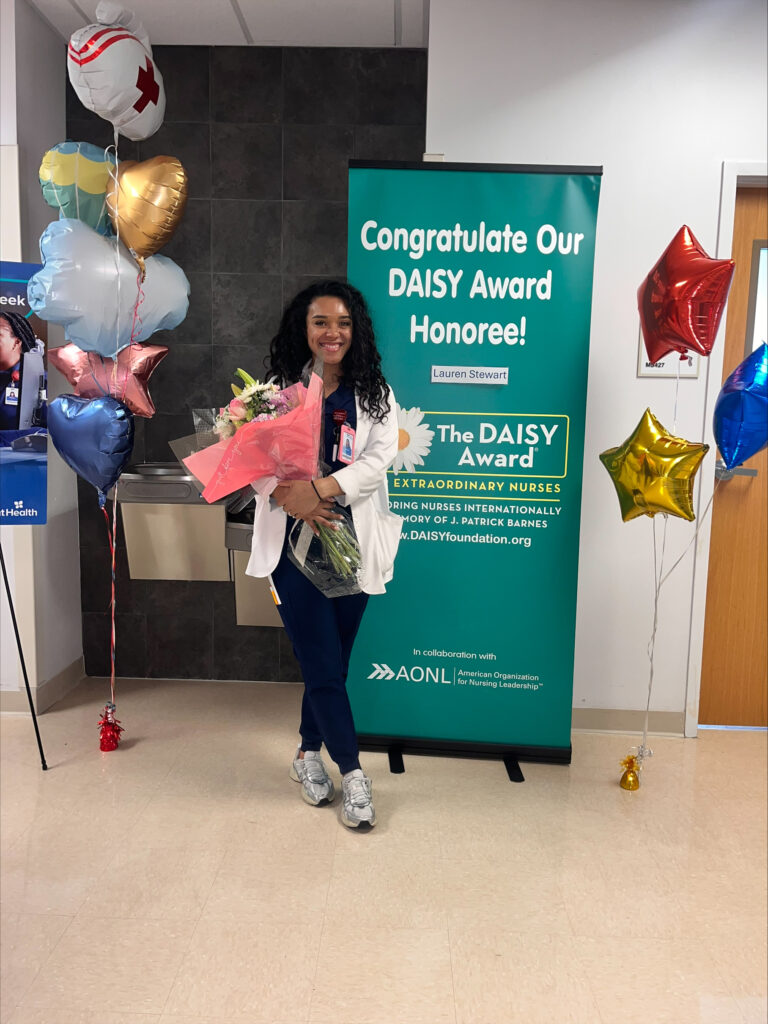
Lauren Stewart, Assistant Nurse Manager, AdventHealth Heart of Florida
What is a moment that reminded you why you became a nurse?
I believe God guided me to be a nurse for a reason. I have always been a very empathetic person, and I love caring for people and helping them. I remember there was a woman, who was supposed to undergo surgery, but she had to have it rescheduled and so she was moved to our unit in the hospital for the night. She was having a tough day, and she was telling the nurses how hungry she was, but the hospital kitchen was closed for the night. So, I decided to DoorDash her some Chik-Fil-A in hopes it would help her feel better, and she kept telling all of us how grateful she was. Nursing is truly a calling, and you have to love helping people to be successful. As nurses, we deal with a lot of hard times. We see many people on one of the worst days of their lives. It’s so important to me to be an advocate for these patients and their loved ones and for us as nurses to do everything we can to help them.
How has nursing changed you?
Nursing has changed me by emphasizing how important it is to not judge a book by its cover. People can be so quick to judge a situation or a person, sometimes in an instant before they even really think hard about it. But, as a nurse, whether it’s a patient or their loved one, you see people going through so many different situations and emotions. It’s a good reminder that we could someday face something just like they are dealing with. It’s a very humbling thought. This has also been a good lesson for me outside of the hospital, because I’ve also become a person who my family and friends lean on for help with whatever problems they’re facing. Life can change in an instant and so it’s really important to put yourself in someone else’s shoes before making a decision, because that could be you one day.
What’s something people misunderstand about your job?
I think some people don’t know the extent of how tough you have to be to be a nurse — physically, mentally, and spiritually. As I mentioned, nursing is a calling and I think you must love to serve and be highly motivated to make a meaningful difference to be successful. We face a lot of hard days whether it’s seeing a patient die or one who is suffering, or we try to help and comfort their families with whatever they are facing. We see a lot of fragility and a lot of resilience. We may see the hardest parts of life, but it’s our responsibility to care, comfort and serve our patients the best we can. That’s what defines who we are as nurses.
What is the most rewarding part of being a nurse?
You see so many people coming through those doors at their most vulnerable times and knowing that you made an impact by the time they leave and knowing that you did something good and helped them on their healing journey, that’s something I think is the best part about being a nurse.
At the end of the day, I know I’ve made a difference when I…
… feel I did my best to extend the love of Jesus Christ in caring for and helping a patient or family feel loved, heard and have some measure of healing.
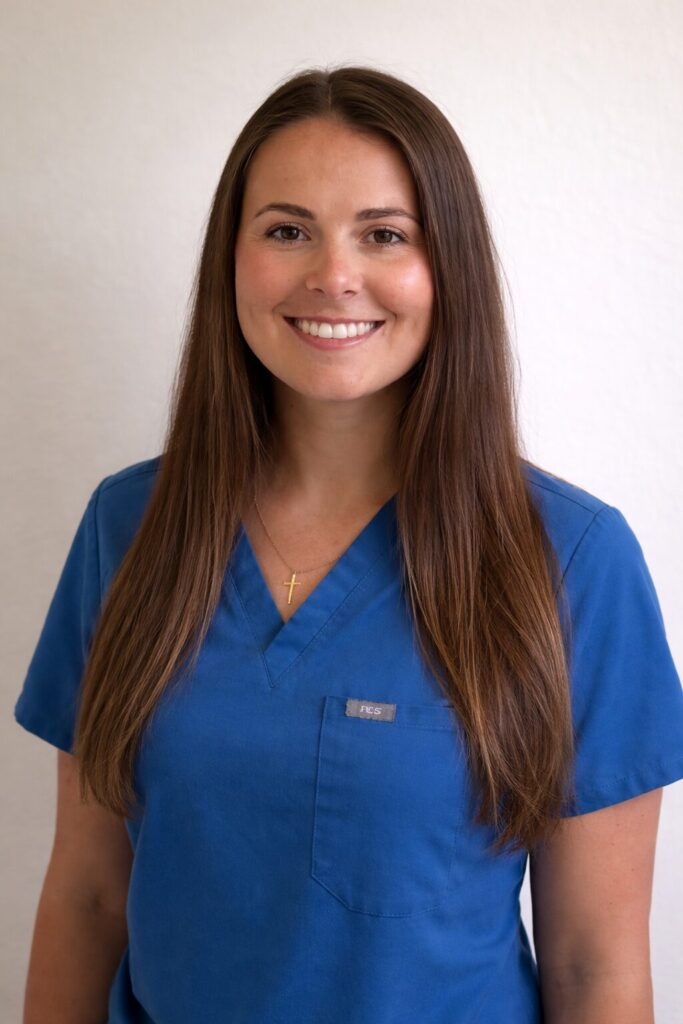
Kaley Mathewson, Registered Nurse, Winter Haven Women’s Hospital
What is a moment that reminded you why you became a nurse?
I stood by a patient on their worst day. There was nothing I could do to “fix” the situation, as we all want to do as nurses. There was nothing I could do to change the outcome. All I could do was be present in a time of unimaginable pain and grief. Offering comfort, holding space, and just being present to make sure they knew they were not alone. This moment made me realize that nursing is so much more than fixing, saving, and completing tasks. Sometimes nursing is being there for others in their darkest moments, offering a hand to hold or a shoulder to cry on and being present for them. Nursing is showing compassion when there is nothing else left to do.
How has nursing changed you?
Nursing has taught me to stay calm in moments I never thought I could and to be strong for others in times of desperation. Nursing has taught me the importance of listening and just being present when there are no words for the situation. Nursing has also taught me to take care of myself when I can, so that I am able to pour from a full cup.
What’s something people misunderstand about your job?
Many people think nursing is just following doctor’s orders, completing tasks and passing meds. But nursing is assessing, thinking critically, and advocating for a patient when something doesn’t seem quite right. Sometimes nursing is as simple as being an active listener, holding the hand of someone who needs comfort, and being present when things don’t go as planned. Nursing is calming fears and offering encouragement when needed.
What is the most rewarding part of being a nurse?
The most rewarding part of being a nurse is knowing you have made a small difference in someone’s life. For us at Winter Haven Women’s Hospital we get to be a part of someone’s birthday and that only happens once for them. It is such an honor to be a part of these precious moments, and we all strive to make each birthday special for every family. The most rewarding part is the small human connections that make it all worth the long shifts and chaos.
At the end of the day, I know I’ve made a difference when I … have cared for my patients as I would my own family.
Seen & Heard
Kaley is an outstanding nurse who truly embodies what it means to deliver exceptional, compassionate care. She consistently goes above and beyond in caring for our mothers and babies, ensuring each patient feels safe, supported, and valued during some of their most important moments. Her clinical skill is matched by her genuine kindness, creating a calming and reassuring environment for families.
Kaley lives out our core values of trust, dignity, and respect in every interaction. Whether she is supporting a patient, collaborating with a teammate, or assisting a visitor, she treats everyone with professionalism and heartfelt compassion. She is known for her positive attitude, always wearing a smile and bringing encouragement to those around her, even during the busiest shifts.
A true team player, Kaley is always willing to step in and help wherever needed. Her reliability, strong work ethic, and selfless approach make her someone her colleagues can depend on without hesitation. Kaley’s dedication not only elevates the quality of care on the mom/baby unit but also strengthens the entire team. She is an incredible asset, and her impact is felt by patients, families, and fellow team members alike.
— Nicci Lambert, Director of Patient Services, Winter Haven Women’s Hospital
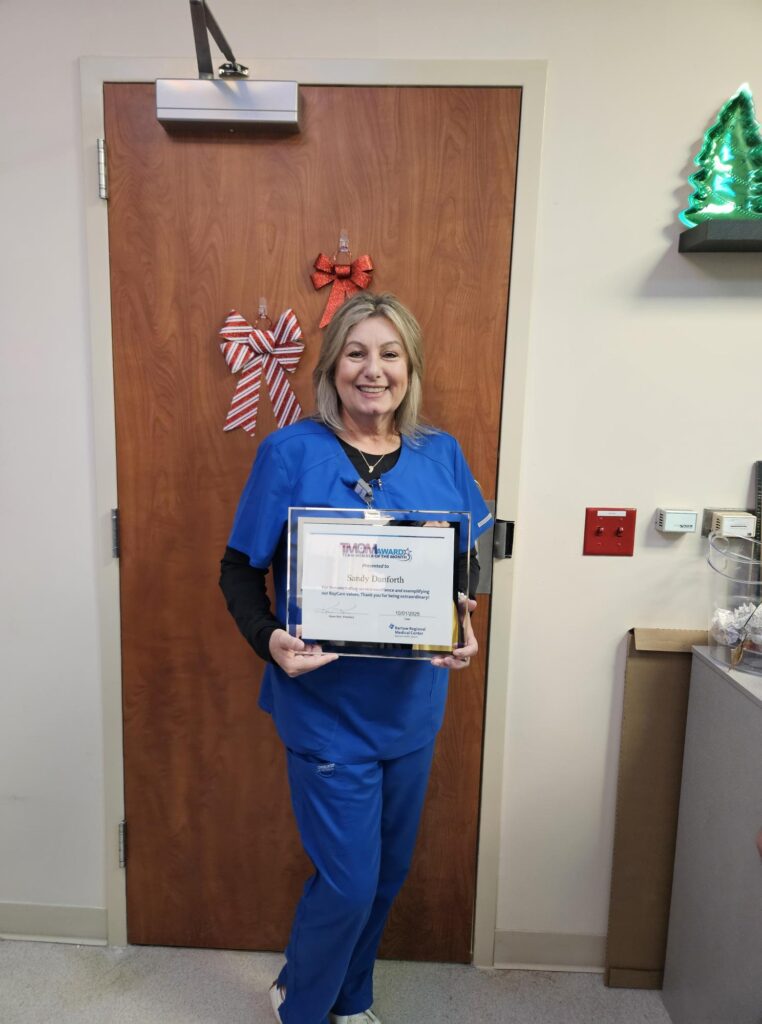
Sandy Danforth, Nursing Professional Development Practitioner, Bartow Regional Medical Center
What is a moment that reminded you why you became a nurse?
Recently, while rounding, a patient’s family member asked if their mother could take a shower. I checked with the nurse to see if the patient could come off telemetry, and once approved, I helped her shower. During that time, she became emotional and began to cry, thanking me repeatedly. The next day, the nurse asked me to visit the patient because she had been speaking nonstop about the experience. When I went to see her, she shared that she felt I had “ministered to her” by washing her feet, comparing it to the way Mary washed Jesus’ feet. I had never given it a second thought, as this is simply something I have always done as part of caring for my patients. Moments like this remind me that nursing is about so much more than tasks—it’s about dignity, compassion, and human connection. This is one of the many reasons I truly love being a nurse.
How has nursing changed you?
It makes me thankful for little things that we sometimes take for granted.
What’s something people misunderstand about your job?
Nursing is something you must do from your heart and it’s not for everyone.
What is the most rewarding part of being a nurse?
Helping others, educating, and just when a patient smiles and is thankful. Currently, it’s watching nurses grow within the profession.
At the end of the day, I know I’ve made a difference when … a TM tells me I made a difference in their day, when I am just being me.
Seen & Heard
Sandy is a shining example of what it means to live out BayCare’s values of trust, respect, and dignity, while fully embodying the guiding principles that support our Journey to Extraordinary.
Sandy consistently goes above and beyond for her team, her patients, and our organization. She is not only a dedicated caregiver but a superior mentor and leader who lifts others up and ensures they have what they need to succeed. Her ability to see the bigger picture, advocate for improvements, and support her colleagues in both their clinical roles and professional development is nothing short of inspiring.
Sandy plays a pivotal role in training new educators and team members, ensuring that they not only receive the information they need but also feel confident, competent, and supported.
She makes a point to check in with new staff, asking thoughtful questions, providing hands-on support, and offering resources to help them grow. Whether it’s one-on-one mentoring or team-wide coaching, Sandy is always present and engaged, reflecting our value of respect through her patient and intentional teaching.
One outstanding example of Sandy’s leadership occurred when she identified that some team members were unfamiliar with a new process for critically ill patients.
Sandy brought it to management’s attention and collaborated with interdisciplinary teams, including the blood bank, to organize a mock simulation drill for emergent blood administration. This effort not only enhanced staff knowledge, confidence, and competence, but also directly contributed to improved patient safety and team coordination.
Sandy’s advocacy and action in this situation are a perfect example of finding solutions and honoring humanity. Beyond her clinical leadership, Sandy is deeply committed to the personal and professional development of her colleagues. She regularly connects staff with resources like tuition assistance programs, employee assistance, and mentoring for certification applications.
She has helped team members take steps toward continuing their education, encouraging them to pursue advanced degrees and certifications by removing barriers and cheering them on every step of the way. Her actions are a living example of how we celebrate and appreciate others. Sandy’s advocacy for excellence in patient care doesn’t stop at training or education—she has also played a key role in helping the team obtain critical equipment necessary to deliver the highest standard of care.
Her leadership and voice in these conversations have ensured that frontline staff are not only equipped to care for patients but feel supported by their environment and leadership. In every action, Sandy reflects BayCare’s core values.
— Tera Lane, Nursing Professional Development Practitioner (Clinical Education), Bartow Regional Medical Center
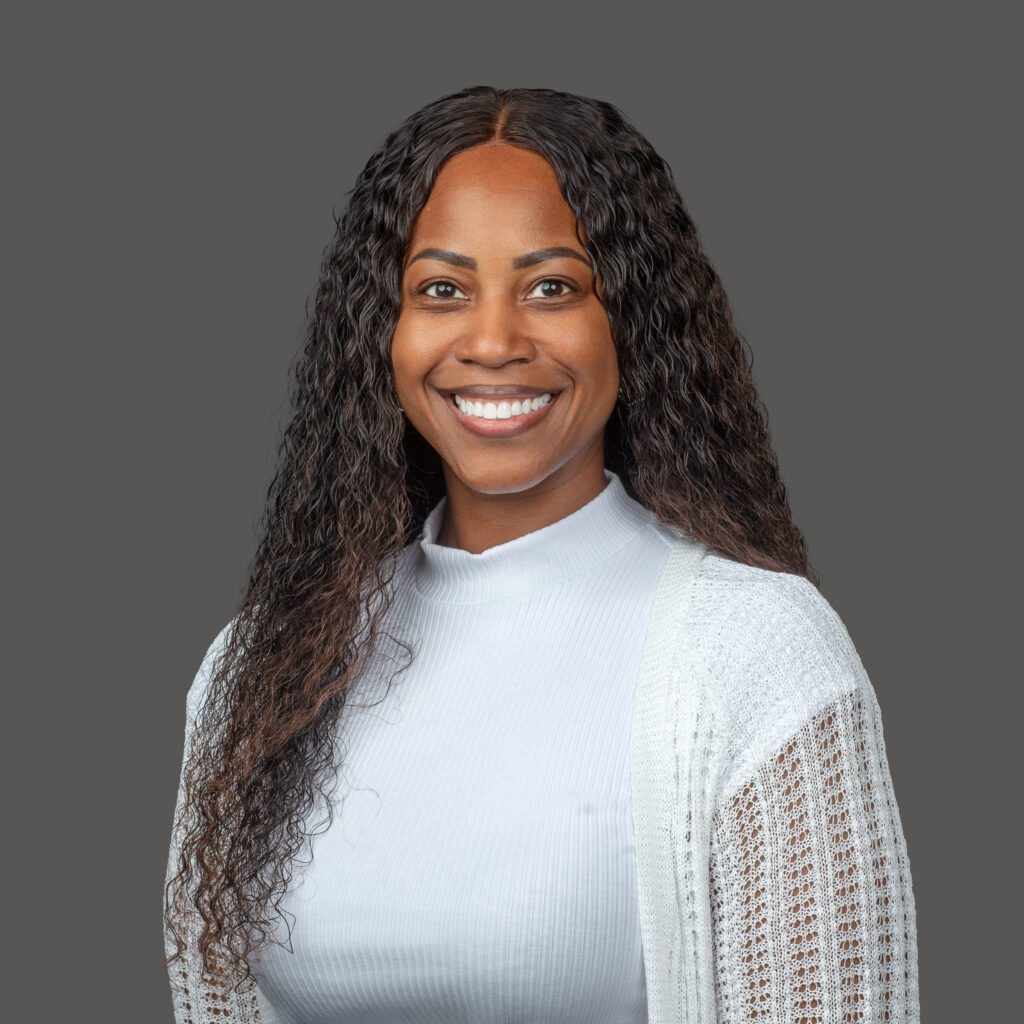
April McCoy, Director of Nursing, Central Florida Health Care
At Central Florida Health Care, April McCoy directly manages 18 team members (14 nurse managers, one healthcare coordinator, one infectious disease case manager, one centering pregnancy coordinator, and one experience coordinator).
What is a moment that reminded you why you became a nurse?
I wanted to be in a career where I could make a meaningful difference in people’s lives every day. I’ve always been a great advocate for my patients and value being able to support patients physically and emotionally, as sometimes they just need someone to talk to.
How has nursing changed you?
Nursing has changed me by strengthening my resilience, empathy, and ability to stay calm under pressure. It’s taught me how to connect with people during some of their most vulnerable moments, the importance of teamwork, and to understand how important it is to adapt in a forever changing field.
What’s something people misunderstand about your job?
A common misperception about nurses is that we blindly follow doctor’s orders without thought, when in reality, we are highly trained critical thinkers that work in collaboration with the providers to provide the best care for our patients.
What is the most rewarding part of being a nurse?
Getting a “thank you” from a patient. It’s often the smallest gestures to our patients that make them feel truly cared for, and this is why we do what we do.
At the end of the day, I know I’ve made a difference when … they smile, express gratitude, show improvements in their condition, or simply seem more at ease knowing they aren’t alone.
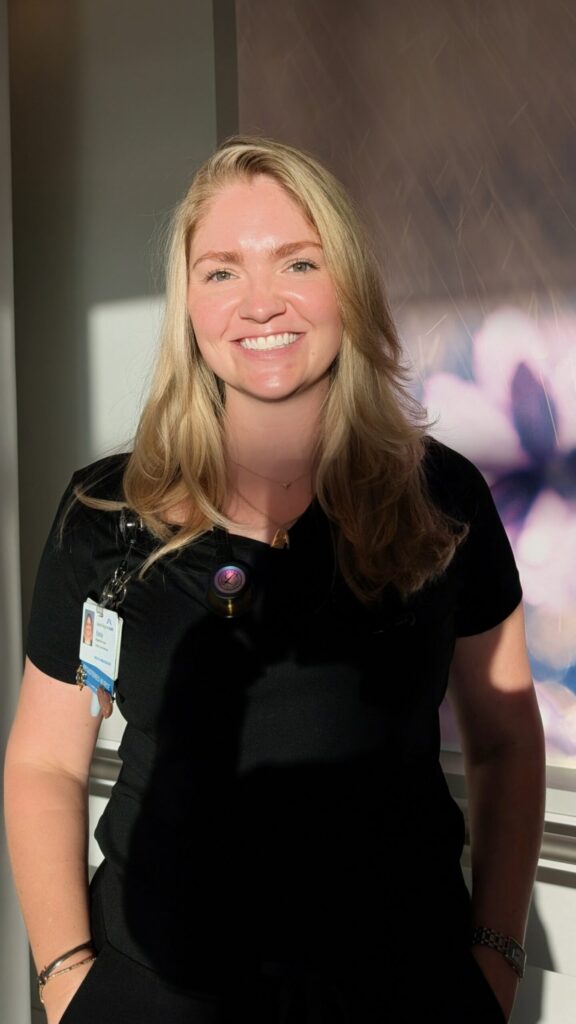
Emily Badcock, Registered Nurse in Medical Intensive Care Unit and on Critical Care Assessment Team, Lakeland Regional Health
What is a moment that reminded you why you became a nurse?
My dad recently suffered a devastating stroke. The ability to care for him, manage his care, and guide him through that experience is a constant reminder that I chose the perfect profession.
How has nursing changed you?
Nursing doesn’t just encourage empathy; it forces it into daily practice in a way few professions can. My nursing career has taught me a depth of empathy that reaches far beyond what I ever expected, shaping not only how I care for patients but how I understand people.
What’s something people misunderstand about your job?
Nursing places me in constant proximity to vulnerability. I help people during the most painful, fearful, and often worst times of their lives.
What is the most rewarding part of being a nurse?
The trust built with patients and their families – a connection formed through compassion, consistency, and genuine care.
At the end of the day, I know I’ve made a difference when … my patients ask, “Are you back tomorrow?”
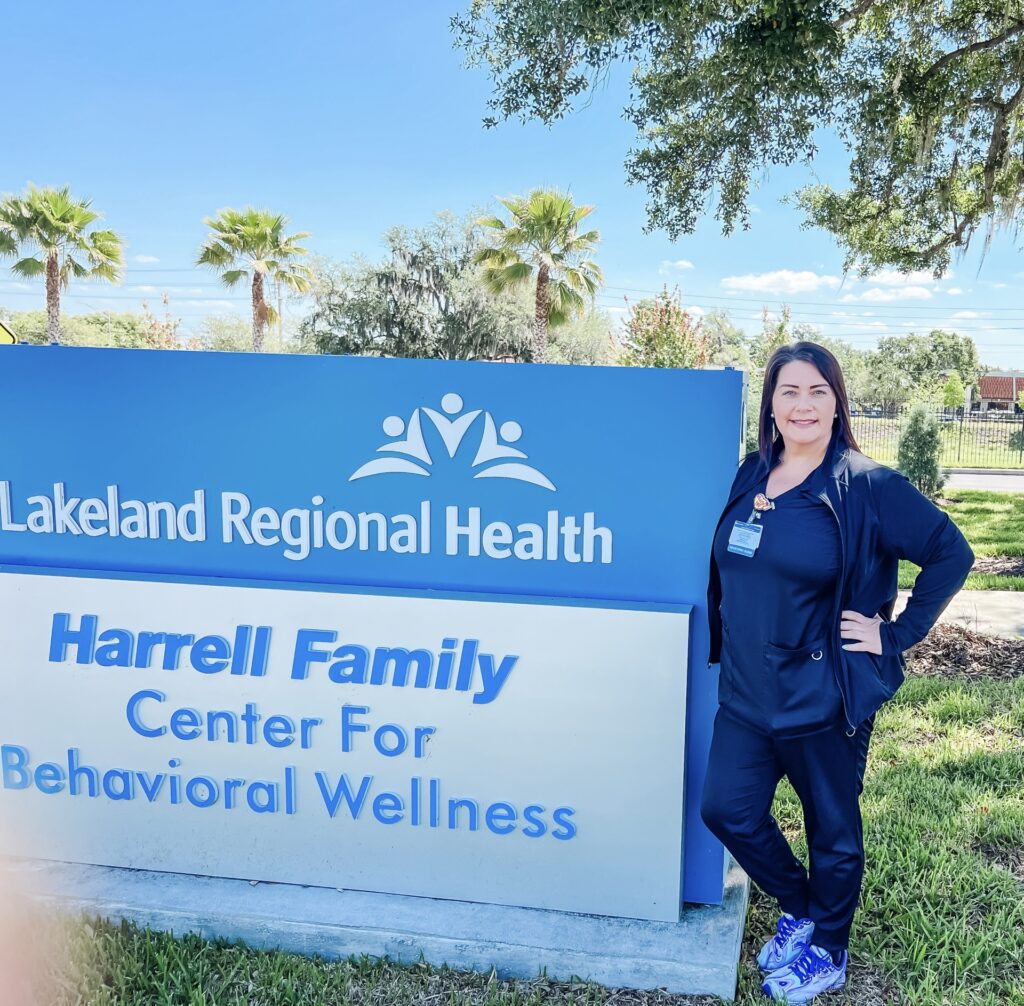
Katie Hearld, Registered Nurse, Adolescent Behavioral Health, Lakeland Regional Health
What is a moment that reminded you why you became a nurse?
One moment that stays with me happened during a particularly difficult shift with a teenage patient who had been completely shut down – barely speaking, avoiding eye contact, and clearly carrying more than they knew how to express. For several days, every attempt to connect with this patient felt like it was going nowhere. One day, instead of asking questions, I just sat nearby and talked about ordinary things I knew they were interested in – music, horses, and artwork. After a while, they quietly joined in. It wasn’t a dramatic breakthrough, but it was real. Before I left, they said, “Thanks for treating me like a normal person.” In that moment, that small comment carried so much weight. It was a reminder that sometimes the most important part of nursing isn’t fixing everything – it’s creating a space where someone feels seen, respected, and safe enough to open up. Moments like that are why I chose to go into adolescent behavioral health nursing. Even on the hardest days, knowing that simply showing up with patience and consistency keeps me grounded in the purpose of my work.
How has nursing changed you?
Nursing has a way of reshaping you in quiet but lasting ways. It has made me more patient – not just in a clinical setting, but in how I see people and deal with others in my daily life. You learn that behavior has a story behind it, especially with adolescents. Sometimes, what looks like defiance or withdrawal is often fear, pain, or unmet needs. That shift in perspective stays with you, even outside of work. It has also made me more present – the world is so fast paced, but nursing forces you to slow down and truly notice people – body language, tone, what’s being said, and what isn’t. You realize how much impact a small moment of genuine attention can have. Most importantly, nursing has made me more appreciative of resilience. Watching young people go through incredibly hard things and still find ways to keep going changes how you define strength. Nursing doesn’t just become what you do – it becomes part of how you see the world.
What’s something people misunderstand about your job? There is a stigma that surrounds mental health in general. A lot of people think mental health nursing is just “talking to patients” or being a calm presence. While that is part of it, that is only the surface. One big misunderstanding is that it is less clinical than other types of nursing, but mental health nursing requires constant assessment and decision-making skills – being able to read subtle changes in mood, behavior, and risk long before anything is said out loud. We are always evaluating safety, medication effects, and potential escalation, often all at once. Another misconception is that progress should be quick or obvious. People expect big turnarounds, but in this field, progress can look really small: a patient making eye contact, joining in a group, or even asking for help instead of acting out. Those moments matter more than people realize, and they often take a lot of time and trust to get there. It isn’t about being “nice” or “good with kids.” It’s about clinical judgment, de-escalation, trauma-informed care, communication, and constant awareness of safety for the patient and for yourself.
What is the most rewarding part of being a nurse? The most rewarding part is seeing change – especially the kind that is easy for others to miss. It might be a person opening up after days of silence, someone who chooses a healthier coping skill instead of reacting impulsively, or a teen who starts to believe that things could get better. Those moments aren’t big or dramatic, but they’re real and you realize how much effort it takes to get there. You are planting seeds – things a patient may not fully use or understand until later. Being a steady presence during someone’s hardest moments means you’re helping them feel seen, heard, and safe. Just knowing you played even a small role in that process is incredibly fulfilling.
At the end of the day, I know I’ve made a difference when … a patient who started the shift guarded, withdrawn, or escalated ends the shift even slightly more regulated than they began it – whether that’s through calmer body language, fewer defensive reactions, or just being willing to engage a little more than before. In mental health nursing, those small shifts are often the most meaningful signs of progress. It’s not about fixing everything in one shift – it’s about creating enough safety and trust that they can take one step forward, even if it is tiny.
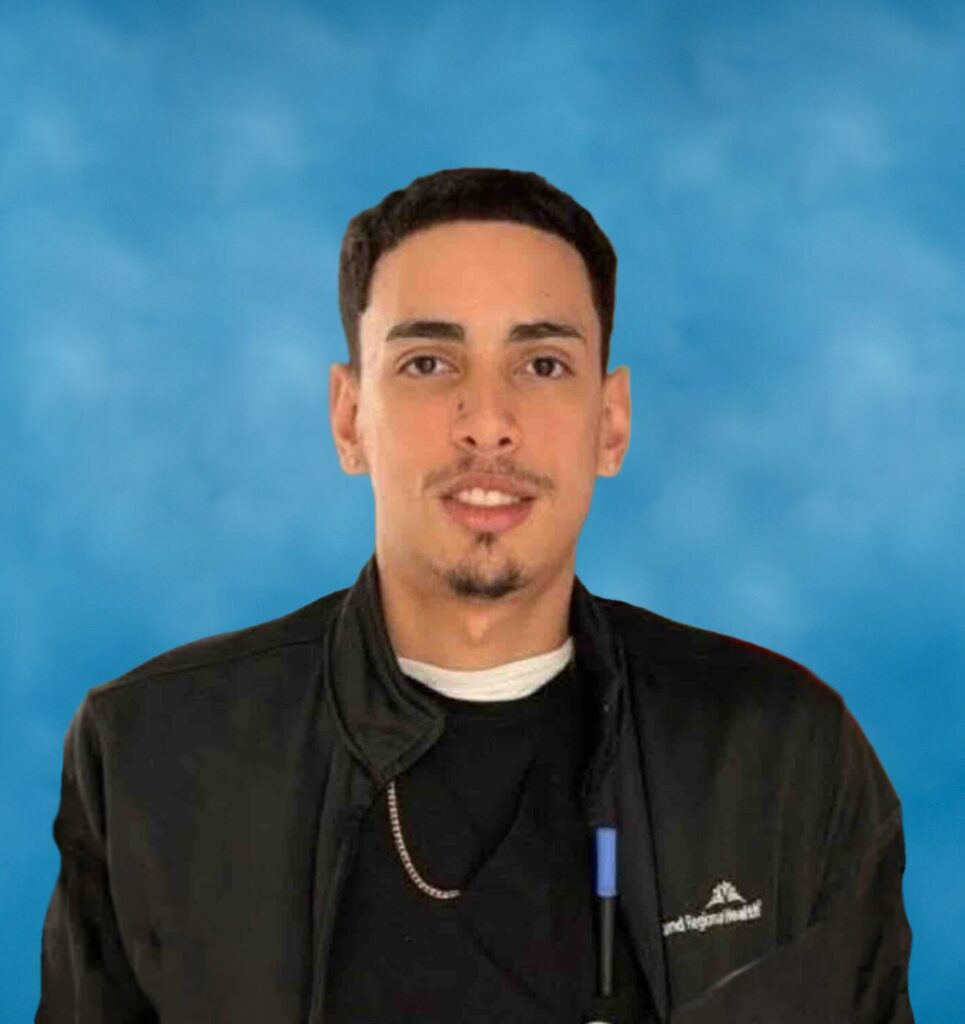
Brian Hernandez, Registered Nurse, Clinical Decisions Unit, Lakeland Regional Health
What is a moment that reminded you why you became a nurse?
I see it every day when a patient says, “Thank you for taking care of me,” and I see the relief on their face.
How has nursing changed you?
It has helped me realize that every life is valuable, and that waking up each day is truly a gift.
What’s something people misunderstand about your job?
People sometimes think we just pass medications, but we are often the first to recognize subtle changes in a patient’s condition that may indicate deterioration.
What is the most rewarding part of being a nurse?
Being a beacon of light for my patients and doing something that makes their day better.
At the end of the day, I know I’ve made a difference when … my patients feel seen, safe, and heard, and I was able to advocate for them in a meaningful way.
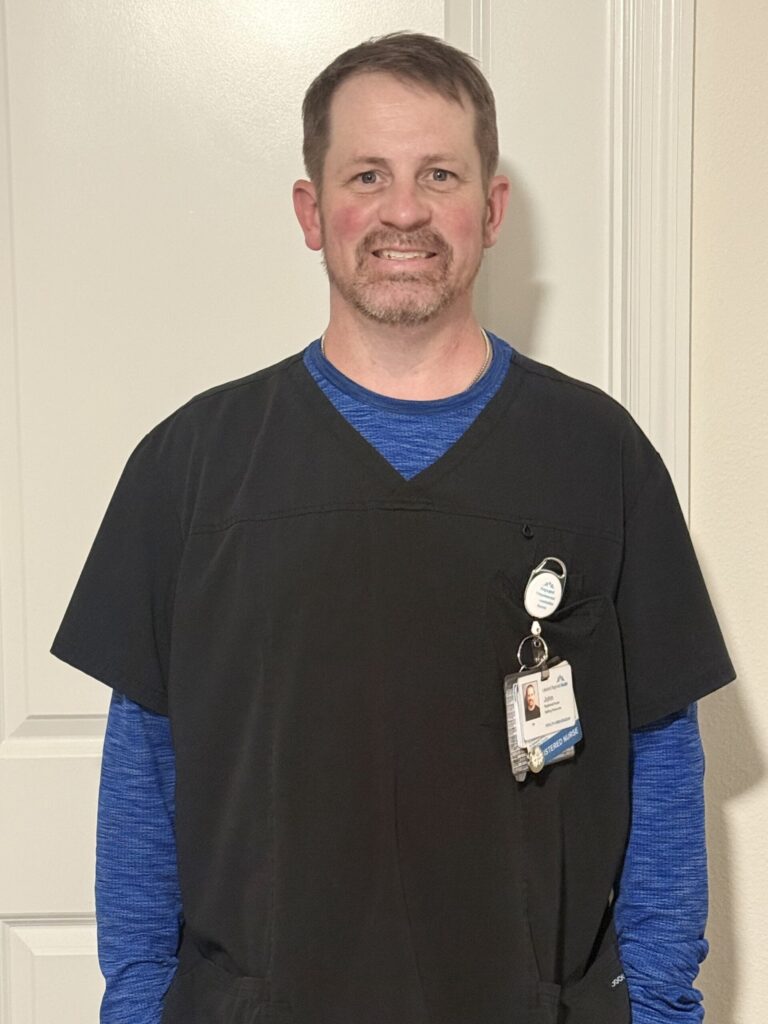
John Van Fleet, Registered Nurse, Staffing Resource Department, Lakeland Regional Health
Tell us a moment that reminded you why you became a nurse?
There are so many. One that stands out is working with a patient whose family wrote a review that eventually resulted in a Daisy Award. I try to do my best to make every patient feel as comfortable as possible.
How has nursing changed you?
It is rewarding, gives me a huge purpose in life, and I am excited to come to work every day knowing I am going to help someone.
What’s something people misunderstand about your job?
Nurses are highly skilled and are required to make many decisions, often on the fly, that can drastically change the overall outcome of a patient’s health. Additionally, many people are shocked to hear that I am a nurse, as many people think of nurses only as females. There are many highly qualified and exceptional male nurses.
What is the most rewarding part of being a nurse?
I get to leave every day knowing I helped someone. Seeing smiles from patients that get to go home with a lifestyle change, or just overall feeling better, is a great feeling.
At the end of the day, I know I’ve made a difference when …
I see the change in my patients at the end of my shift. Caring and educating them has helped them be more comfortable and calmer.
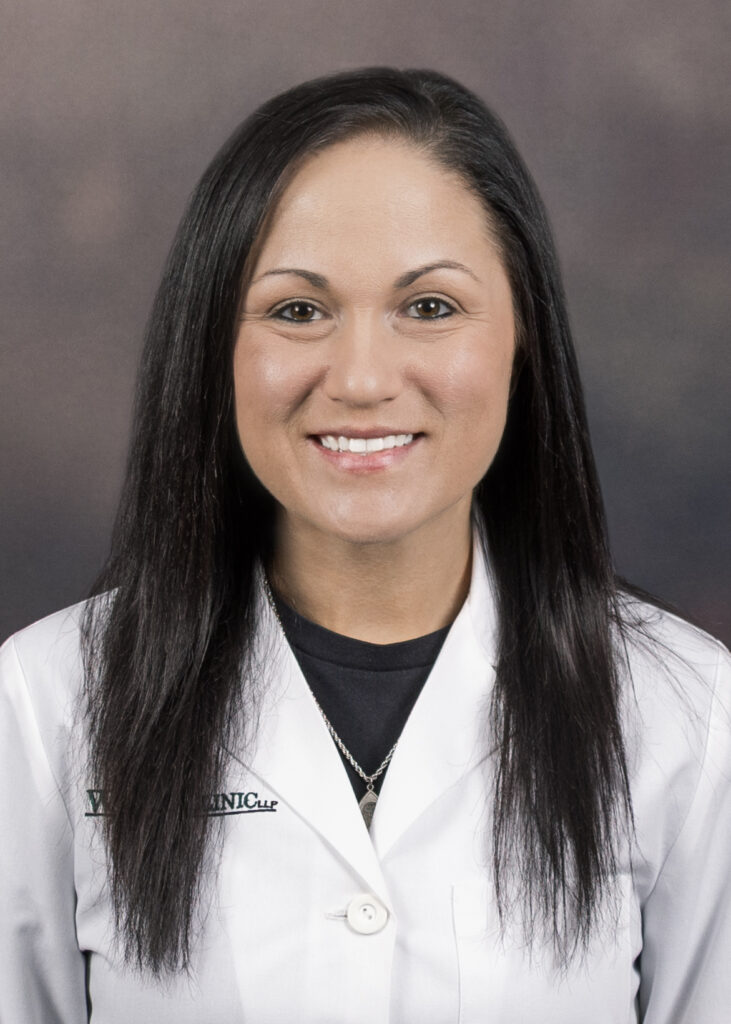
Ashlee Evans, Senior Registered Nurse, Watson Clinic Urgent Care Main
What is a moment that reminded you why you became a nurse?
There was one time here in Urgent Care awhile back that I had a woman run up to me as I was walking from triage. Her mother had become unresponsive in the waiting room. I yelled for my team to help, and we quickly got her on the monitor with IV access and had the doctor in the room assessing her. After we stabilized her and things calmed down, the daughter was crying and telling me how grateful she was for us. In that moment, I felt so good about being a nurse.
How has nursing changed you?
Nursing has definitely taught me that I am capable of more than I realized. This field has pushed me to grow into someone who can take charge of critical situations and be a leader, manage complex situations, think critically, and stay grounded through overwhelming times all while still showing kindness and compassion to patients.
What’s something people misunderstand about your job?
People see the “caring” part of our job, but not the emotional stamina it takes. We constantly absorb grief, fear, anger, trauma, confusion, and even the positive emotions from patients, and we are expected to stay calm, therapeutic, and supportive through it all. It is harder than most people think.
What is the most rewarding part of being a nurse?
When patients tell me how much the care I gave meant to them. Simply hearing how thankful someone is means the world to me.
At the end of the day, I know I’ve made a difference when … someone leaves my care feeling safer, heard, or more comfortable than when they arrived, even if that change was small.
Seen & Heard
Ashlee is very caring and compassionate. She has been a great asset to our team and the organization. She makes patients feel very comfortable in her presence and has a calming effect. We are all very proud of her accomplishments.
— Dr. Rajendra Sawh, Watson Clinic Urgent Care Main
Awesome team player. Always willing to help.
— Julian Rios, APRN – Watson Clinic Urgent Care Main
Ashlee is a wonderful, caring nurse who brings calm to anxious situations and is an integral member of our team. This tribute could not be more deserved!
— Dr. Richard Dudrak – Watson Clinic Urgent Care Main
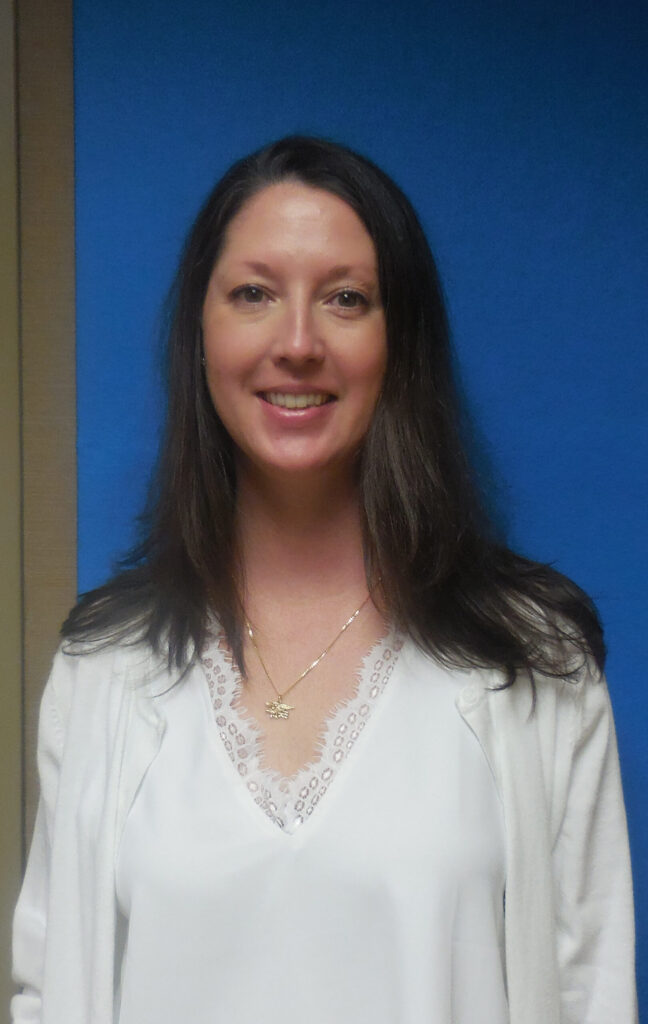
Cristel Cole, Registered Nurse, Watson Clinic Main
What is a moment that reminded you why you became a nurse?
I recently had a patient involved in a very serious accident and we were able to get them assistance and stabilize them with minimal intervention so they were not compromised. Incredibly, they survived with minimal deficits.
How has nursing changed you?
Nursing has taught me to be an incredibly patient human being and to have keen attention to the smallest details. Patients are often too ill or experiencing something so overwhelming they can’t always tell you a full history. I have learned to become acutely tuned into every aspect of my patients’ care.
What’s something people misunderstand about your job?
Nursing is often seen as a supportive role and a task-oriented job where we follow orders. While that is true, nursing is also a decision-heavy profession that combines critical thinking, situational awareness, research-based evidence and science, as well as emotional awareness. Misunderstanding comes from how nursing is portrayed in the media or on TV and movies, which is not how it really works day to day in clinical settings.
What is the most rewarding part of being a nurse?
Saving lives! I mostly work now in preventive non-invasive cardiovascular testing. I am also part of our “Blue Team” or rapid response team in our Main location for any patient or person who needs medical assistance. Knowing that I had a part in their journey, found the problem and got the patient to the next level of care with positive outcomes is incredibly rewarding.
At the end of the day, I know I’ve made a difference when…
I know my skills, expertise, and compassion have made a huge impact on someone who may be having the worst day of their life.
Seen & Heard:
Cristel Cole is a dedicated and compassionate nurse whose impact extends far beyond her daily responsibilities. She has worked in the Cardiology department at Watson Clinic for the past four years initially hired to respond to medical emergencies and then moved into performing diagnostic treadmill testing. She is known for her calm presence in even the most high-pressure situations, she consistently creates a sense of reassurance for both her patients and peers. Her ability to thoughtfully accommodate patients onto an already full schedule without compromising quality of care speaks to her organizational skills and unwavering commitment.
She is a natural mentor, generously shares her knowledge and experience helping guide and support fellow team members. She is also regarded as a trusted resource for her department, always willing to lend her expertise and encouragement. Her knowledge, organizational skills and professionalism make her an outstanding RN.
— Cindy O’Steen, RN – Clinical Services Coordinator
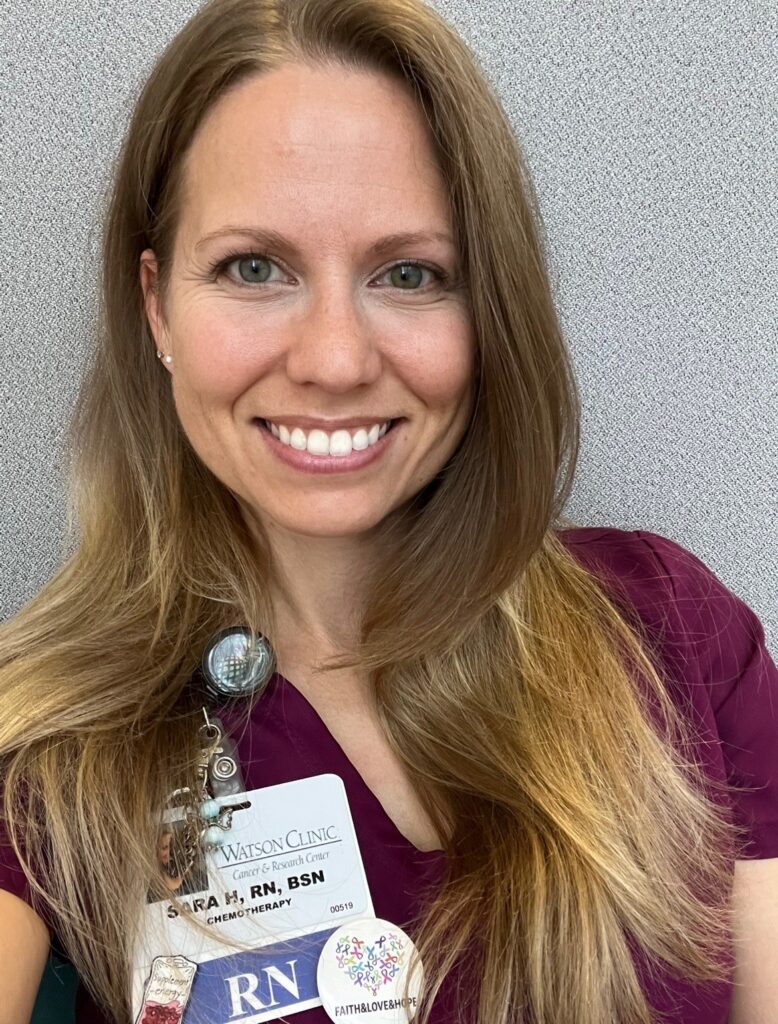
Sara Hudson, Chemotherapy Infusion Registered Nurse, Watson Clinic Cancer & Research Center
What is a moment that reminded you why you became a nurse?
I am honestly reminded all the time by little moments in the day to day. It can be as small as a heartfelt “thank you” or as big as watching someone ring the bell at the end of their chemo journey. Seeing that look on their face-that feeling of accomplishment and knowing they really did it. So many moments, whether big or small, remind me why I wanted to go into nursing in the first place: to be there for people in some of their hardest times and hopefully make it a little bit easier for them.
How has nursing changed you?
Nursing has really opened my eyes to the fact that nothing in life is guaranteed. We really don’t know what is going to happen from one day to the next. Even thinking back to working through the pandemic of Covid-19 in the hospital was terrifying at the time. Every day worrying you could bring it home to your own family while watching the devastation it caused for so many. Life is unpredictable and every single day matters. Love and live life to the fullest and appreciate each moment you have with those you love.
What’s something people misunderstand about your job?
Most of the time when I tell people I’m a chemo infusion nurse, they say, “Oh, that must be such a sad job!” The truth is it is quite the opposite most of the time. Since becoming an Oncology nurse, I have encountered the strongest, most appreciative, and kindest patients. Of course there are sad times, but when you get to know these patients and have the honor of taking care of them, you see another side of it. Being an Oncology nurse is beautiful and raw and these wonderful patients of ours show just how powerful the human spirit can be.
What is the most rewarding part of being a nurse?
As cheesy as it sounds, the most rewarding part of nursing for me is knowing that I am making an impact in the lives of my patients. In some way I am helping them to get through what is most likely to be a very dark and uncertain time in their life. What can be more rewarding than that?
At the end of the day, I know I’ve made a difference when…
My patient is able to smile or laugh, maybe feeling a little lighter emotionally than they did when they initially came into the treatment room. A lot of people come in feeling scared and not knowing what to expect when it’s their first time receiving chemo. Sometimes just having a normal conversation about anything else can help remind them that cancer is not their defining factor. Cancer may be a chapter in their story but they are so much more than that. If, at the end of the day, I can give them any kind of comfort and encouragement, I know that I did my job well.
Seen & Heard
Sara is an invaluable, highly skilled chemotherapy nurse whose deep compassion for her patients is matched only by her dedication to supporting her co-workers.
— Diane Swift – Clinical Coordinator
Sara is one of our most senior chemo nurses and is a highly respected team member. Her nursing skills are impeccable and she is an excellent mentor to new staff. Sara treats each patient with compassion and kindness. She is quick to notify doctors of changes and is usually one of the first to the side of a patient in crisis.
Sara constantly strives to keep her medication knowledge current. She is instrumental in building the ever changing computer protocols necessary in delivering the most current therapies. She is a member of the Imperial Polk County ONS and attends monthly educational in-services.
In a world where there are so many options for nursing professionals, we are fortunate to have the level of professionalism and compassion that Sara possesses at the Watson Clinic Cancer & Research Center.
— Kelly Ball RN, OCN – Chemotherapy Team Lead
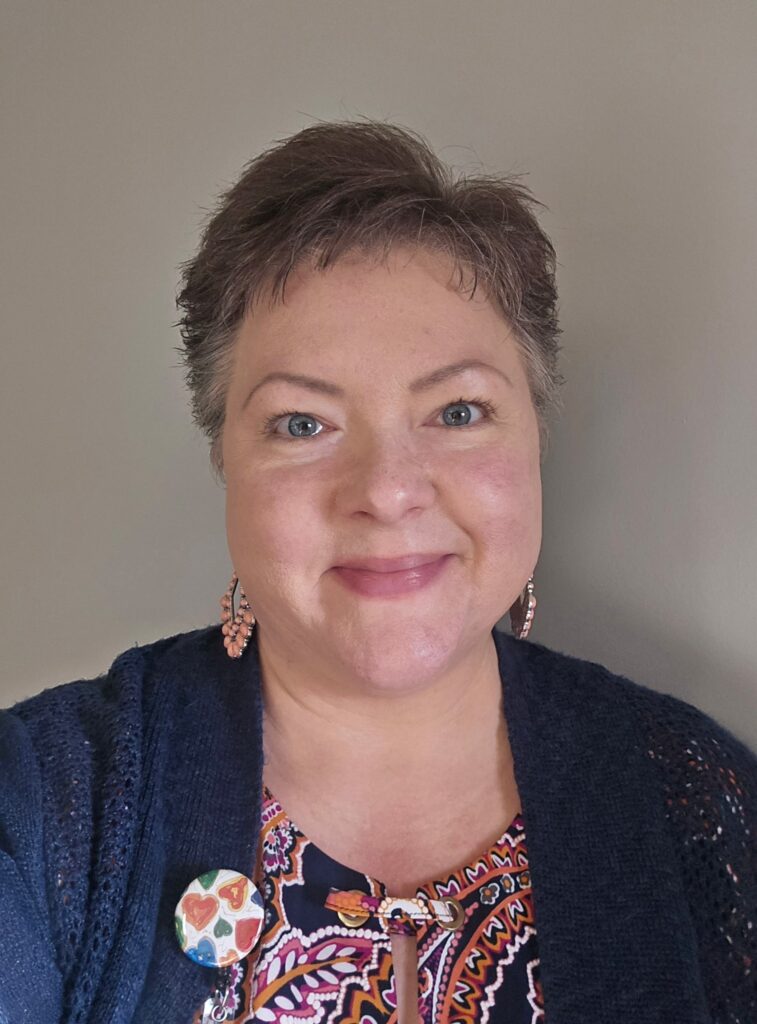
Sheila Coile, Registered Nurse, Clinical Educator, Watson Clinic Education Building
What is a moment that reminded you why you became a nurse?
I spent the first nine years of my career in Oncology taking care of cancer patients in the hospital setting. In 2002, I began working at the Watson Clinic Cancer & Research Center, administering chemo to hundreds of patients over the 12 years I worked in that location. My fellow nurses and I worked in a big room where we each had a group of “chemo chairs” and each nurse oversaw that group of patients for the day. As a chemo nurse, I spent hours with these patients, monitoring vital signs, pushing chemo medications, checking on them constantly, and getting to know them. I met their families, I laughed with them, I cried with them, and I showed them love. I guess you could say I was also a performer. I loved to tell jokes, bring in funny props, and help (with the assistance of the other nurses) make it a fun place to be.
One day, a tiny, frail elderly lady came in for chemo. We all knew her. She’d been there several times for treatment. That day, she looked at me and told me how much she’d looked forward to her treatment that day. She had the biggest smile on her face. I will never forget how that made me feel. I knew in that moment that I helped make a difference. I helped make a terrible diagnosis and a scary experience into something that patients could look forward to and be a little bit less stressed about.
How has nursing changed you?
I didn’t go into nursing school with any previous medical knowledge or experience. I graduated from Polk Community College in 1993, and it wasn’t my intention to go into Oncology. God put me in that field because I had a way with people. I could talk to them, maintain a sense of compassion, but also be firm when needed. Although I grew as a nurse, I also grew as a friend, a coworker, a sister, a daughter, a wife, and a mother. Every job change, every new experience, every new task has molded me into the nurse and human being I am today – strong, wise, realistic, fair, compassionate, and with a deep desire to ensure that patients are well taken care of.
What’s something people misunderstand about your job?
It’s easy to be attracted to the “status” of being a nurse, but the reality of the job requires much more than a title. At the end of the day, a patient doesn’t care how expensive your scrubs are, they care that you’re in their corner. The best nurses are the ones who show up with empathy and grit, ready to battle for their patients’ health because they truly care about the human being in the bed.
What is the most rewarding part of being a nurse?
I can honestly say that the most rewarding thing about nursing for me is knowing that every day I make a difference. I have a hand in changing someone’s life, and to change a life is to change the world.
“I can’t do all the good that the world needs, but the world needs all the good that I can do.” – Jana Stanfield
At the end of the day, I know I’ve made a difference when …
I can think back on my day and see the examples of how I had a part in changing the course of someone’s life. I made someone laugh, I calmed fears, I taught them how to endure chemo treatments, and many times, I was just a quiet shoulder for them to cry on when they needed it. That is worth its weight in gold!
Seen & Heard
Sheila Coile represents the pinnacle of clinical excellence at Watson Clinic. A 24-year veteran at the clinic, Sheila has evolved from an expert caregiver into a community-wide mentor, actively shaping the next generation of healthcare professionals through strategic educational partnerships. Her proactive leadership fosters a culture of excellence that transforms the experience for patients and staff alike. We are honored to nominate Sheila—a nurse who blends decades of expertise with a tireless commitment to the future of our field.
— Darlene Smith, RN – Education Coordinator: